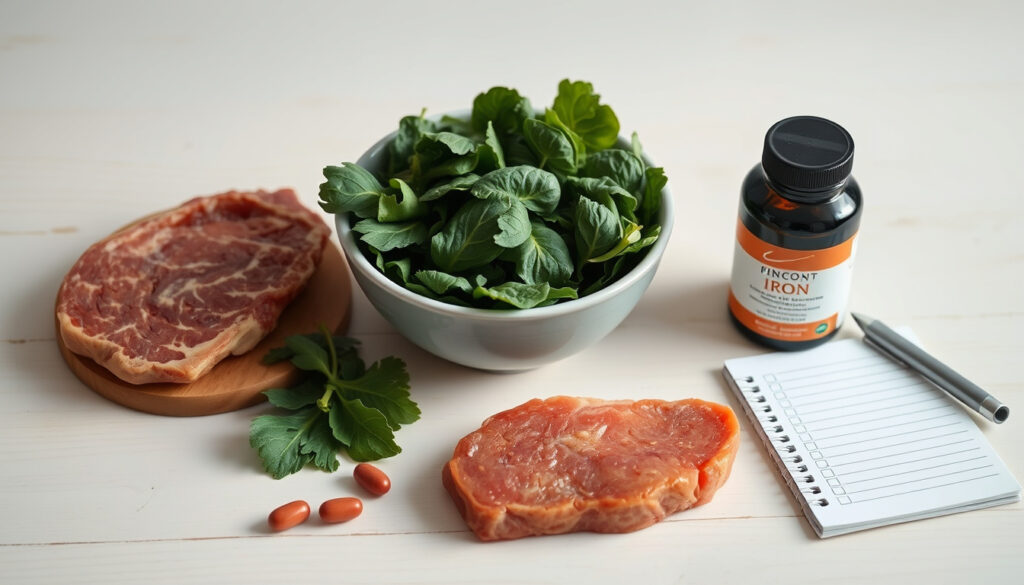
Symptoms of Iron Deficiency: Signs, Causes and Self-Checks
That bone-tired feeling coffee can’t touch, paired with brain fog and cravings for ice, isn’t just a bad week — it’s a classic red flag for low iron. Recognizing these common and surprising symptoms early is the difference between months of frustration and a straightforward fix.
Global prevalence: Iron deficiency affects over 2 billion people worldwide, making it the most common nutritional deficiency (World Health Organization) · Most common symptom: Fatigue is reported by approximately 80% of individuals with iron deficiency anemia (Johns Hopkins Medicine) · Women at higher risk: Up to 30% of menstruating women experience iron deficiency due to blood loss (Centers for Disease Control and Prevention) · Treatment success: Oral iron supplementation can correct deficiency within 2 to 4 months when taken as directed (NHS)
Quick snapshot
- Fatigue and weakness affect 80% of people with iron deficiency anemia (Johns Hopkins Medicine)
- Oral iron supplements raise hemoglobin within 2–4 weeks (NHS)
- Pica (craving ice or dirt) is a classic sign (American Society of Hematology)
- Exact mechanism linking low iron to restless legs syndrome still under study (St. Vincent’s Medical Center)
- Whether mild deficiency without anemia impairs cognition is debated (PubMed Central)
- Symptoms develop gradually over months; early signs often dismissed as stress (HSE Ireland)
- With supplements, most people feel improvement in 2–4 weeks (NHS)
- Check ferritin levels if symptoms persist – below 30 ng/mL indicates deficiency (American Medical Association)
- Address underlying causes: blood loss, diet, or absorption issues (NHS)
Four key facts that set the stage for what follows — numbers that show just how common and treatable this condition really is.
| Fact | Value |
|---|---|
| Global burden | 2 billion people worldwide are affected by iron deficiency (World Health Organization) |
| Women at risk | 1 in 3 menstruating women have low iron stores (CDC) |
| Top symptom | Fatigue is the most common complaint (80% of cases) (Johns Hopkins Medicine) |
| Treatment timeline | 2–4 months of oral supplements corrects deficiency in most cases (NHS) |
What are signs of being low in iron?
Two billion people have low iron, but most mistake the symptoms for everyday burnout. Recognizing them early is the difference between weeks of fog and a straightforward fix.
What are the most common symptoms of iron deficiency?
- Fatigue and lack of energy — the hallmark symptom, present in about 80% of cases, because your body can’t make enough hemoglobin to carry oxygen (Johns Hopkins Medicine).
- Pale or sallow skin — reduced hemoglobin gives skin a washed-out look, best checked by pulling down your lower eyelid (Mayo Clinic).
- Shortness of breath and heart palpitations — your heart works harder to deliver oxygen when iron is low (American Society of Hematology).
- Headaches and dizziness — especially on standing, due to poor oxygen delivery to the brain (Mayo Clinic).
What are symptoms of low iron in females?
Women face unique risks because menstrual blood loss depletes iron stores monthly. Beyond fatigue, many experience heavier periods (which worsens the cycle), unusual cravings, and mood changes such as irritability or low motivation (CDC). Pregnant women need extra attention: deficiency during pregnancy increases risk of preterm delivery and low birth weight (World Health Organization).
What are 15 signs of iron deficiency?
The American Society of Hematology and the NHS list a wide range of potential signs, though not everyone gets all of them. Here’s the full spectrum:
- Fatigue and weakness
- Pale or yellowish skin
- Shortness of breath
- Rapid or irregular heartbeat
- Headaches and dizziness
- Chest pain with activity
- Cravings for ice, dirt, or starch (pica)
- Sore or smooth tongue
- Brittle or spoon-shaped nails
- Hair loss or thinning
- Restless legs
- Tinnitus (ringing in the ears)
- Itchy skin
- Difficulty swallowing (dysphagia)
- Cold hands and feet
The pattern: symptoms develop slowly and are often blamed on stress or aging. If you check four or more boxes, it’s time to get tested (HSE Ireland).
What are 5 unexpected signs of low iron?
The most bewildering symptom — craving ice — can drive people to chew through bags of cubes daily. It’s not a quirk; it’s a biological signal that iron levels have dropped.
What do you crave if your iron is low?
Pica — the craving for non-food items like ice, dirt, clay, or cornstarch — is one of the most specific signs of iron deficiency. The American Society of Hematology calls it a classic symptom. The exact cause isn’t fully understood, but it often resolves within weeks of starting iron supplementation (American Society of Hematology). If you find yourself crunching ice compulsively, take note.
Can iron deficiency cause restless legs?
Yes. Restless legs syndrome (RLS) — an irresistible urge to move your legs, especially at night — has a well-documented link to low iron. The leading theory involves iron’s role in dopamine production, which regulates movement. Studies show that correcting iron deficiency can significantly reduce RLS symptoms (St. Vincent’s Medical Center).
Is hair loss a sign of low iron?
Hair thinning or increased shedding can be a symptom, particularly in women. Iron is essential for hair follicle health, and deficiency pushes follicles into a resting phase, causing more hair to fall out. The American Academy of Dermatology notes that treating the deficiency often stops the shedding and may regrow hair (American Academy of Dermatology).
Other unexpected signs include brittle or spoon-shaped nails (koilonychia) — the nails become thin and concave — and a smooth, sore tongue caused by loss of papillae (Cleveland Clinic).
What drains iron from your body?
Even a perfect diet won’t fix iron deficiency if there’s an underlying leak — heavy periods, gastrointestinal bleeding, or celiac disease. Treating symptoms without finding the cause is like patching a tire while the puncture stays open.
What causes iron deficiency?
- Chronic blood loss — the most common cause. Heavy menstruation (menorrhagia), gastrointestinal ulcers, colon polyps, or frequent blood donation can drain iron faster than you can replace it (NHS inform).
- Poor dietary intake — especially for vegetarians and vegans who don’t eat heme iron from meat. Even with plant sources, absorption is lower (Harvard Health).
- Malabsorption disorders — celiac disease, Crohn’s, atrophic gastritis, or gastric bypass surgery all interfere with iron absorption (PubMed Central).
- Increased need — pregnancy, growth spurts in children, and intense endurance training all raise the body’s demand for iron (Labcorp OnDemand).
How does blood loss lead to low iron?
Each milliliter of red blood cells contains about 0.5 mg of iron. A woman with heavy periods can lose 20–40 mL of blood per cycle, equating to 10–20 mg of iron lost monthly that must be replaced. Gastrointestinal bleeding from ulcers or hemorrhoids adds a hidden drain. The body tries to compensate by absorbing more iron from food, but when losses exceed intake, stores deplete (PubMed Central).
Can diet cause iron depletion?
Yes. A diet low in red meat, poultry, and fish — the primary sources of highly absorbable heme iron — can lead to deficiency over time. Plant-based eaters need to be strategic: combine iron-rich foods (spinach, lentils, fortified cereals) with vitamin C (citrus, bell peppers) and avoid drinking tea or coffee with meals, as tannins block absorption (Harvard Health).
How do you self check if your iron is low?
Self-checks can raise suspicion, but they can’t replace a blood test. A ferritin level below 30 ng/mL is the threshold that doctors use — and you can’t see that in the mirror.
What physical signs can you look for at home?
- Pallor check — pull down your lower eyelid. The inner lining should be a healthy pink or red. If it’s pale pink or white, that’s a strong indicator of anemia (NHS).
- Nail inspection — look at your fingernails from the side. If they curve inward like a spoon (koilonychia), that’s a late sign of chronic deficiency (Cleveland Clinic).
- Fatigue test — ask yourself: is this tiredness different from normal? Does it persist after rest? Do you feel winded climbing a flight of stairs? (American Society of Hematology)
- Cravings log — have you been craving ice, dirt, or clay? That’s pica and is highly specific to iron deficiency.
How accurate is self-diagnosis of iron deficiency?
Not very. Many symptoms — fatigue, headache, mood changes — are shared with dozens of other conditions. At-home ferritin test kits exist, but the FDA does not regulate them as medical devices, and their accuracy varies (FDA). The only reliable way to confirm is a blood test ordered by a doctor.
When should you consult a doctor?
See a healthcare provider if you experience persistent fatigue along with any two of the following: pale skin, shortness of breath, rapid heartbeat, pica, brittle nails, or hair loss. Also consult if you have heavy periods, known GI issues, or a family history of anemia (American Medical Association).
How can I quickly raise my iron levels?
Diet and supplements work, but they need a partner — vitamin C. Without it, you’re leaving 60% of the iron from plant sources on the plate.
To effectively raise your iron levels, follow these steps:
- Identify the underlying cause — check for blood loss, dietary gaps, or absorption issues before starting treatment.
- Incorporate heme iron sources — eat red meat, poultry, or fish, which are absorbed more efficiently than plant-based iron.
- Pair non-heme iron with vitamin C — combine spinach or lentils with citrus fruits, bell peppers, or tomatoes to boost absorption.
- Avoid absorption blockers at mealtime — separate tea, coffee, milk, and calcium supplements from iron-rich meals by at least an hour.
- Consider oral supplements — if dietary changes aren’t enough, take ferrous sulfate as directed, ideally with a small amount of vitamin C.
- Monitor and retest — track your symptoms and get a follow-up blood test after 4–6 weeks to adjust your approach.
What foods are highest in iron?
- Heme iron sources (best absorption): red meat (beef, lamb), liver, poultry, fish, oysters. (Labcorp OnDemand)
- Non-heme sources (plant-based): spinach, lentils, chickpeas, kidney beans, tofu, fortified breakfast cereals, pumpkin seeds, dried apricots.
- Absorption boosters: pair with vitamin C — drink orange juice with your meal, add bell peppers to your spinach salad, or squeeze lemon over lentils (Harvard Health).
- Absorption blockers to avoid: tea, coffee, milk, calcium supplements, and whole grains high in phytates — consume these between meals, not with iron-rich ones (Harvard Health).
What drink is very high in iron?
Prune juice leads the pack — a 240 mL glass provides about 3 mg of iron. Beetroot juice also contains around 1 mg per glass, plus folate. Iron-fortified plant milks (soy, almond, oat) can provide 2–4 mg per serving. For a quick hit, pair any of these with a vitamin C source (Liv Hospital).
How long does it take to boost iron levels?
- Supplements: oral ferrous sulfate (standard dose 100–200 mg elemental iron daily) typically raises hemoglobin within 2–4 weeks. Full correction of iron stores takes 2–4 months (American Society of Hematology).
- Diet alone: if deficiency is mild and you focus on heme iron + vitamin C, you may see improvements in 4–6 weeks. For moderate to severe deficiency, supplements are necessary.
- Intravenous iron: for severe cases or when oral iron isn’t tolerated, IV iron can restore levels in a single session, with effects within days (American Society of Hematology).
What’s confirmed and what’s still unclear
Confirmed facts
- Iron deficiency causes anemia by reducing red blood cell production (American Society of Hematology)
- Pica is a confirmed symptom associated with iron deficiency (American Society of Hematology)
What’s unclear
- The exact mechanism linking iron deficiency to restless legs syndrome is still under investigation (St. Vincent’s Medical Center)
- Whether mild iron deficiency without anemia causes significant cognitive impairment is debated (PubMed Central)
- The optimal dosing schedule for iron supplements (daily vs. every other day) is still being investigated (PubMed Central)
Expert voices
Fatigue is one of the most common symptoms of iron deficiency anemia because your body lacks the iron needed to make hemoglobin.
— Johns Hopkins Medicine
Pica, the craving for non-food items like ice or dirt, is a classic sign of iron deficiency.
— American Society of Hematology
For someone experiencing persistent tiredness alongside any of the less obvious signs — cravings, restless legs, or nail changes — the implication is straightforward: get a ferritin test. The trade-off for ignoring it is months of unnecessary fatigue and the risk of progression to severe anemia.
While classic clues like fatigue are well known, it is important to also watch for early warning signs of low iron such as pica cravings and restless legs.
Frequently asked questions
Is iron deficiency more common in women than men?
Yes. Due to menstrual blood loss and pregnancy, women of childbearing age are at much higher risk. The CDC reports that up to 30% of menstruating women have low iron stores (CDC).
Can you have iron deficiency without anemia?
Yes. This is called non-anemic iron deficiency. Fatigue and neurocognitive symptoms can still occur even when hemoglobin is normal, but serum ferritin is low (PubMed Central).
What are the side effects of iron supplements?
Common side effects include constipation, nausea, stomach pain, dark stools, and metallic taste. Taking with food or splitting doses can reduce discomfort (NHS).
Does iron deficiency affect mental health?
Yes. Low iron is linked to mood changes, irritability, poor concentration, and in severe cases, depression-like symptoms. Correcting deficiency often improves mental clarity and emotional stability (American Medical Association).
What foods help absorb iron better?
Pairing iron-rich foods with sources of vitamin C, such as oranges, bell peppers, tomatoes, or broccoli, significantly boosts absorption. Avoid tea, coffee, and dairy at mealtime to maximize uptake (Harvard Health).
Related reading: Signs Iron Pills Are Working – Key Indicators and Timeline · Symptoms of Stomach Ulcer: Early Signs, Pain & Warnings
More related posts
 Can a Pharmacist Prescribe Antibiotics? Ireland & UK 2025
 India Women vs South Africa Women: World Cup Final 2025
 Tesco Shopper Clears Cinnamon Buns – Unverified Viral Claim Examined
 What Channel Is the Rangers Game On? TV & Live Stream Guide
 Razor Ruddock: Footballer vs Boxer Explained
 Bruce Willis Health 2024: Condition, Net Worth, Family Care
 Joan Crawford Cause of Death: Heart Attack, Estate, & Feud