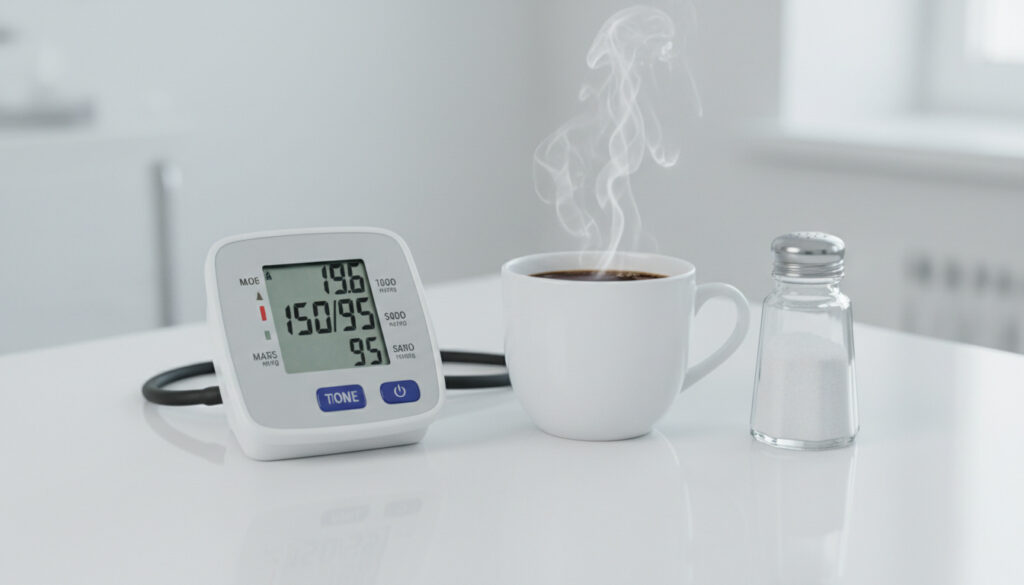
How to Raise Blood Pressure – Fast Safe Methods
Blood pressure readings below 90/60 mmHg signal hypotension, a condition that affects millions worldwide. While often less discussed than hypertension, chronically low pressure can trigger dizziness, fainting spells, and persistent fatigue that disrupt daily functioning.
The causes range from dehydration and nutritional deficiencies to medication side effects and postural changes. According to the Cleveland Clinic, addressing acute episodes requires distinct strategies compared to managing chronic low baseline readings.
Several evidence-based techniques can elevate pressure within minutes, while others require consistent application over days or weeks. Understanding when home management suffices—and when symptoms demand emergency intervention—remains critical for safe self-care.
How to Raise Blood Pressure Fast
Immediate intervention focuses on expanding blood volume or improving vascular tone. The following methods vary in onset speed and mechanical action.
| Method | How It Works | Time to Effect | Safety Notes |
|---|---|---|---|
| Salt Intake | Increases fluid retention | 15-30 minutes | Monitor if kidney issues present |
| Hydration | Boosts blood volume | Immediate | Avoid excessive water intake |
| Compression Stockings | Improves circulation | 10-20 minutes | Ensure proper fit |
| Caffeine | Temporary vasoconstriction | 15 minutes | Limit to avoid spikes |
| Leg Crossing | Physical vein compression | Instant | Short-term relief only |
| Thigh Squeeze | Redirects blood flow | Immediate | Use when standing |
- Acute hypotension differs fundamentally from chronic low baseline pressure requiring different management timelines.
- Individual salt sensitivity varies significantly based on renal function and genetic factors.
- Hydration represents the most accessible first-line intervention with immediate physiological impact.
- Medical consultation becomes necessary when symptoms persist despite home remedies.
- Over-raising blood pressure carries cardiovascular risks equivalent to acute hypertension.
- Compression gear specifically benefits orthostatic hypotension through mechanical support.
- Physical counter-maneuvers offer instantaneous but temporary stabilization.
| Fact | Value |
|---|---|
| Normal BP Range | 90/60 to 120/80 mmHg |
| Low BP Threshold | Below 90/60 mmHg |
| Primary Symptom | Dizziness upon standing |
| Fastest Remedy | Water intake (500ml) |
| Sodium Mechanism | Fluid retention/volume expansion |
| Compression Effect | Prevents leg blood pooling |
| Caffeine Duration | Approximately 15 minutes |
| Emergency Indicator | Chest pain or confusion |
Foods and Drinks That Raise Blood Pressure
Dietary interventions target volume expansion through sodium retention or vascular constriction via stimulants. Strategic consumption timing matters as much as ingredient selection.
Strategic Sodium Consumption
Moderate sodium increases help retain fluids and expand plasma volume. Effective options include salted pretzels, nuts, crackers, olives, sauerkraut, and beets. The Mayo Clinic emphasizes consulting physicians regarding appropriate amounts, particularly for patients with renal limitations.
Hydration Protocols
Water, sports drinks, and herbal teas combat dehydration-induced volume depletion. Water-rich foods including cucumbers, celery, watermelon, and pineapple provide dual hydration and nutrient benefits. According to Medical News Today, rapid consumption of 500ml water can demonstrate measurable pressure increases within minutes.
Caffeinated Beverages
Coffee, tea, and energy drinks produce temporary vasoconstriction lasting roughly fifteen minutes. However, excessive intake risks subsequent pressure spikes or cardiac strain, particularly in sensitive individuals.
While sodium assists acute hypotension, excessive consumption risks hypertension and fluid overload. Patients with heart or kidney conditions require medical supervision before increasing salt intake.
Natural Ways and Lifestyle Changes to Increase Blood Pressure
Long-term management combines mechanical aids with behavioral modifications. These approaches address orthostatic intolerance and circulatory efficiency without pharmaceutical intervention.
Compression Garments
Medical-grade compression stockings improve leg circulation and prevent blood pooling in lower extremities. Benefits typically manifest within ten to twenty minutes of application.
Physical Counter-Maneuvers
Crossing legs while sitting or performing thigh-scissor squeezes when standing temporarily redirects blood flow toward the heart. The British Heart Foundation recommends rising slowly from supine positions to prevent orthostatic drops.
Exercise Modifications
Regular light activity such as walking promotes circulatory health, though hydration remains essential during exertion. Proper footwear supports vascular return during movement, a consideration examined in our Saucony Endorphin Pro 3 Review.
Meal Timing and Composition
Small, frequent meals prevent postprandial hypotension caused by blood diversion to digestive organs. Balanced portions incorporating lean proteins and healthy fats like almonds or avocados stabilize pressure throughout the day.
When Low Blood Pressure Requires Medical Attention
Distinguishing benign low readings from pathological hypotension prevents dangerous delays in treatment. Certain symptoms indicate cardiovascular or neurological compromise requiring immediate evaluation.
Recognizing Emergency Signs
Severe dizziness, fainting episodes, confusion, chest pain, or rapid breathing signal dangerous pressure drops potentially indicating shock or cardiac events. The Health Grades database confirms these symptoms warrant emergency department visits.
Underlying Conditions
Persistent hypotension may indicate endocrine disorders, severe infections, or medication interactions. Vitamin B12 deficiency leading to anemia represents one correctable cause addressed through dietary sources like eggs, liver, or sardines.
Confusion, chest pain, and rapid breathing accompanying low blood pressure indicate potential circulatory shock. These symptoms require immediate emergency medical intervention.
Herbal remedies like licorice or ephedra can raise blood pressure but carry significant risks including dangerous hypertension. Consult healthcare providers before incorporating botanical treatments.
How Quickly Can You Raise Blood Pressure?
Intervention timelines vary from instantaneous mechanical effects to sustained physiological adjustments. Understanding these temporal differences helps set appropriate expectations.
- Immediate (0-5 minutes): Physical maneuvers including leg crossing and thigh squeezes redirect blood flow instantly.
- Fast (5-15 minutes): Caffeine consumption produces vasoconstriction effects within fifteen minutes.
- Short-term (15-30 minutes): Hydration and moderate salt intake expand blood volume measurably.
- Sustained (30+ minutes): Compression stockings demonstrate full circulatory benefits.
- Ongoing (24+ hours): Dietary modifications and B12 repletion address deficiency-related hypotension.
Established Facts vs. Individual Variation
| Well-Established | Requires Individual Assessment |
|---|---|
| Sodium increases fluid retention and blood volume | Optimal daily sodium intake varies by renal function |
| Hydration immediately expands plasma volume | Total fluid requirements differ by body mass and climate |
| Caffeine temporarily constricts blood vessels | Sensitivity to caffeine varies genetically |
| Compression prevents leg blood pooling | Optimal compression grade requires fitting assessment |
| Alcohol dehydrates and lowers pressure | Interaction with specific medications remains unpredictable |
Why Blood Pressure Drops
Hypotension stems from diverse physiological mechanisms. Dehydration reduces blood volume directly, while large meals temporarily divert circulation to digestive organs. The Healthline medical database identifies alcohol as particularly problematic due to its dehydrating effects and vascular dilation properties.
Endocrine disturbances and autonomic nervous system dysfunction disrupt pressure regulation. Patient profiles vary considerably, much like the diverse medical scenarios portrayed in the Cast of the Resident, underscoring the importance of individualized diagnostic approaches.
Anemia resulting from vitamin B12 deficiency reduces oxygen-carrying capacity, triggering compensatory pressure drops. Postural changes cause blood pooling in legs among patients with orthostatic hypotension.
Clinical Perspectives on Hypotension Management
Increasing salt and fluid intake can help raise blood pressure, but it is important to do so under the guidance of a healthcare provider to avoid potential complications.
— Mayo Clinic
Wearing compression stockings and moving slowly when standing are effective strategies for managing orthostatic hypotension symptoms.
— British Heart Foundation
Key Takeaways on Raising Blood Pressure
Effective hypotension management combines immediate volume-expanding techniques like hydration and moderate sodium intake with long-term lifestyle modifications including compression wear and strategic meal timing. While home remedies prove sufficient for mild cases, persistent symptoms or emergency indicators require professional medical evaluation to rule out underlying pathology or medication interactions.
Frequently Asked Questions
Can dehydration cause low blood pressure?
Yes. Dehydration reduces blood volume, directly lowering pressure. Replenishing fluids expands plasma volume and typically resolves dehydration-induced hypotension within minutes.
Does alcohol lower blood pressure?
Alcohol acts as a vasodilator and diuretic, both of which decrease blood pressure. It causes dehydration and reduces vascular resistance, potentially causing dangerous drops.
Is 90/60 blood pressure too low?
Readings below 90/60 mmHg define clinical hypotension. However, some healthy individuals maintain this baseline asymptomatically. Symptoms determine whether intervention is necessary.
Can low blood pressure cause headaches?
While dizziness and fatigue are primary symptoms, inadequate cerebral perfusion from low pressure may trigger headaches in some individuals, though this varies widely.
Should you exercise with low blood pressure?
Light exercise like walking generally improves circulation, but intense activity may worsen symptoms. Stay hydrated and avoid sudden postural changes during workouts.
How long does caffeine raise blood pressure?
Caffeine’s vasoconstrictive effects typically last approximately 15 minutes. The spike is temporary and should not be relied upon for sustained pressure management.
More related posts
 What Channel Is the Rangers Game On? TV & Live Stream Guide
 ATP Tennis Results Today – Munich Barcelona Updates
 Sonic the Hedgehog 2020: Watch, Cast, Age Rating & Box Office
 Jimmy Choo: Biography, Luxury Shoes, and Brand History
 Saucony Endorphin Pro 3 – Specs Performance Buying Guide
 Polish Zloty to GBP – Live Rate, Converter and Trends
 Tran late Engli h to Turki h: Be t Free Tool & Accuracy Guide
 Dara Ó Briain Biography: Education, Career, Family & More