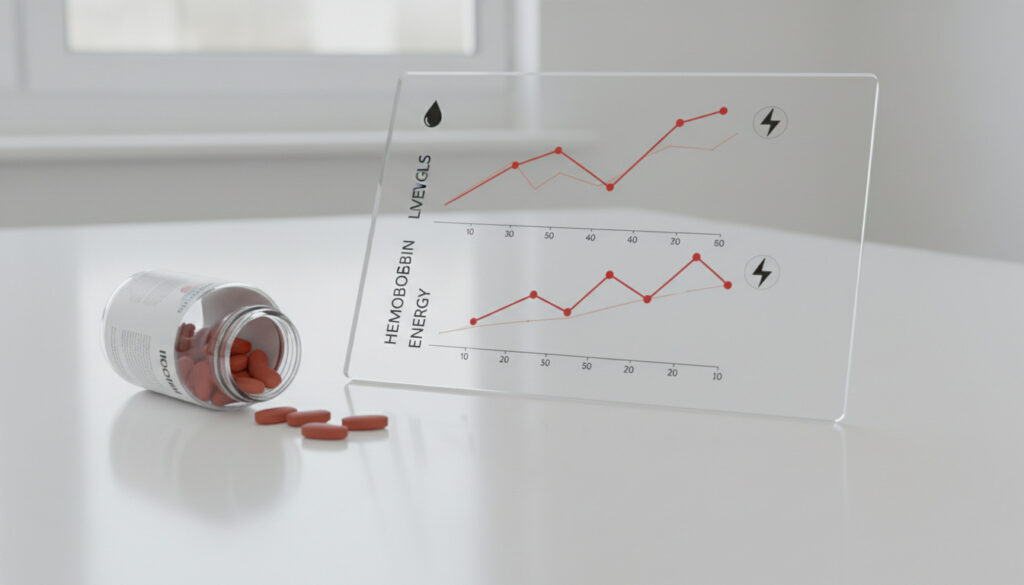
Signs Iron Pills Are Working – Key Indicators and Timeline
Starting iron supplementation for deficiency anemia initiates a gradual cellular recovery process that unfolds over weeks to months. Patients often seek immediate reassurance, yet the physiological restoration of hemoglobin and ferritin stores follows predictable biological timelines. Understanding the objective markers and subjective sensations that indicate progress helps distinguish effective treatment from placebo effects or non-response.
Iron deficiency anemia develops when the body lacks sufficient mineral reserves to produce healthy red blood cells, leading to diminished oxygen transport capacity. Oral iron supplements aim to replenish these depleted stores, but absorption depends on individual physiology, dietary factors, and the absence of interfering conditions. Laboratory confirmation provides the earliest reliable evidence of efficacy, often preceding noticeable physical improvements.
Clinical guidelines emphasize that initial indicators of therapeutic success typically appear within two weeks on blood work, while symptomatic relief may require four to twelve weeks to become apparent. This discrepancy between measurable biological change and perceived wellness creates a monitoring challenge for patients and providers managing recovery expectations.
What Are the Signs Iron Pills Are Working?
Identifying progress requires distinguishing between subjective physical improvements and objective laboratory changes. While individual experiences vary, several consistent markers indicate successful supplementation.
Reduced fatigue and improved stamina typically emerge after hemoglobin levels begin rising, though this may take four to twelve weeks.
Skin color may return to normal, while brittle nails and hair loss gradually resolve as ferritin stores rebuild over three or more months.
Decreased breathlessness during physical activity and improved endurance indicate improving oxygen-carrying capacity.
Reduction in palpitations and normalized heart rate during exertion suggest hemoglobin is approaching sufficient levels.
Key Insights on Recognition
- Hemoglobin precedes symptoms: Blood levels improve weeks before patients feel subjectively better.
- Ferritin indicates reserves: This storage protein reveals long-term recovery progress distinct from immediate anemia correction.
- Absorption variability: Individual gut health, timing of doses, and dietary cofactors create significant differences in response rates.
- Stool color ambiguity: Black or tarry stools commonly appear within days but represent a side effect rather than therapeutic efficacy.
- Early prediction value: A hemoglobin rise of at least 1 g/dL at two weeks strongly correlates with continued improvement.
- Duration requirements: Full repletion demands three to six months of consistent supplementation beyond symptom resolution.
- Silent correction: Many patients experience asymptomatic improvement detectable only through laboratory testing.
Critical Laboratory Markers
| Marker | Deficient Range | Target Improvement | Timeline |
|---|---|---|---|
| Hemoglobin (Hb) | <12 g/dL (women), <13.5 g/dL (men) | Rise ≥1 g/dL | ~2 weeks |
| Ferritin | <15 ng/mL (absolute deficiency) | Gradual climb | 6-8 weeks |
| Serum Iron | Below lab reference | Increase alongside ferritin | Weeks to months |
| TIBC | Elevated in deficiency | Decrease toward normal | 1-3 months |
| MCV | <80 fL (microcytic) | Rise toward normal | 1-3 months |
| Hematocrit | <36% (women), <41% (men) | Increase proportionally | 2-8 weeks |
| Red Blood Cells | Low count or abnormal morphology | Normalization | 2-4 months |
How Long Does It Take for Iron Pills to Work?
Therapeutic timelines vary based on deficiency severity, baseline levels, and absorption efficiency. Research indicates initial responses typically manifest between fourteen days and four weeks, though complete correction requires extended commitment.
Early Biological Responses
Within the first fortnight of consistent supplementation, bone marrow activity increases as available iron supports erythropoiesis. This biological activity precedes measurable hemoglobin changes by several days. Patients rarely perceive these initial shifts, as the body prioritizes replenishing depleted stores before alleviating symptoms.
Dark or black stools frequently appear within days of starting iron therapy. This discoloration results from unabsorbed mineral oxidation in the gut and does not indicate successful uptake or increased hemoglobin production. Patients should rely on laboratory values rather than gastrointestinal changes to assess efficacy.
Symptomatic Improvement Windows
Physical sensations of recovery generally lag behind hematological improvements. Fatigue reduction typically becomes noticeable between four and twelve weeks, even in patients without severe anemia. Breathlessness, dizziness, and cardiac palpitations usually diminish within one to three months as oxygen transport capacity normalizes.
Schedule a complete blood count approximately two weeks after initiating therapy. A hemoglobin increase of at least 1 g/dL at this checkpoint strongly predicts continued recovery and validates the current dosage and formulation.
Complete Repletion Phases
Restoring total body iron stores demands sustained therapy beyond symptom resolution. Ferritin levels, indicating iron reserves, continue climbing for two to four months after hemoglobin normalizes. Most protocols require three months minimum supplementation, followed by an additional month post-normalization to prevent relapse.
Absorption rates differ significantly based on gastric acidity, concurrent medications, and dietary habits. Patients taking proton pump inhibitors or consuming tea near doses may experience delayed responses requiring dosage adjustment or formulation changes.
How to Confirm Iron Supplements Are Effective?
Objective verification through blood testing remains essential, as subjective symptoms prove unreliable indicators. Many individuals with iron deficiency remain asymptomatic, while others experience placebo effects or attribute unrelated improvements to supplementation.
Essential Laboratory Panels
Comprehensive testing should include serum ferritin, hemoglobin, hematocrit, and MCV to distinguish between anemia correction and full iron store replenishment. Persistent abnormalities in any marker after three months of compliant therapy indicate non-response requiring investigation.
Retesting Protocols
Clinicians recommend initial follow-up at two weeks to assess early hemoglobin response, followed by comprehensive panels at six to eight weeks. Subsequent testing at three months confirms store repletion. Patients should continue supplementation for one month beyond laboratory normalization to prevent recurrence.
What If You Don’t See Signs Iron Pills Are Working?
Absence of expected improvements after eight to twelve weeks necessitates systematic evaluation of barriers to absorption, ongoing blood loss, or alternative diagnoses. Persistent low levels despite compliant therapy may indicate malabsorption disorders, continued hemorrhage, or interfering medications. If you’re not seeing the expected improvements, you can find more information about Alzheimer’s vs dementia explained. Alzheimer’s vs dementia explained
Common Absorption Barriers
Gastrointestinal conditions such as celiac disease, inflammatory bowel disorders, or atrophic gastritis impair intestinal iron uptake. Concurrent use of proton pump inhibitors, calcium supplements, or antacids reduces bioavailability. Ongoing blood loss from menstruation, ulcers, or malignancies consumes iron faster than oral supplementation can replace.
Diagnostic Next Steps
Physicians may order fecal occult blood testing, endoscopy, or celiac screening to identify hidden bleeding or malabsorption. Switching to ferrous bisglycinate or liquid formulations sometimes improves tolerance and uptake. Intravenous iron replacement becomes necessary when oral therapy fails after three months or when patients cannot tolerate gastrointestinal side effects.
Managing overall cardiovascular health remains important during recovery. Patients experiencing concurrent circulatory symptoms may reference How to Raise Blood Pressure for additional support strategies.
Timeline: When to Expect Signs
Recovery follows a predictable sequence from initial biochemical changes to complete physical restoration. The following chronology represents typical progression for compliant patients without complicating factors.
- Days 1-7: Gastrointestinal side effects may appear, including constipation or dark stools, unrelated to therapeutic efficacy.
- Week 2: Hemoglobin rises by at least 1 g/dL on laboratory testing, providing the first objective evidence of response.
- Weeks 4-6: Some patients report early energy improvements, though this varies significantly between individuals.
- Weeks 6-8: Ferritin levels begin measurable increases; hemoglobin continues upward trajectory toward normal ranges.
- Weeks 8-12: Fatigue diminishes reliably; weakness, dizziness, and exercise intolerance improve markedly.
- Months 2-3: Anemia typically resolves for compliant patients; breathlessness and palpitations decrease substantially.
- Months 3-6: Full iron store replenishment achieved; hair, nail, and skin improvements become apparent.
Subjective Signs vs Lab Confirmation
Distinguishing between perceived wellness and physiological reality prevents premature treatment discontinuation. The following comparison clarifies which indicators provide reliable evidence of recovery.
| Established Clinical Evidence | Uncertain or Variable Indicators |
|---|---|
| Hemoglobin increase ≥1 g/dL at 2 weeks | Subjective energy level changes |
| Rising ferritin levels by 6-8 weeks | Improvements in skin pallor |
| Normalized MCV and hematocrit values | Changes in nail strength |
| Reduced total iron-binding capacity | Appetite or taste alterations |
| Sustained hemoglobin above 12 g/dL (women) or 13.5 g/dL (men) | Mood or cognitive improvements |
Why Monitoring Matters: Context and Risks
Untreated iron deficiency anemia compromises immune function, cognitive performance, and cardiovascular capacity. During pregnancy, severe deficiency increases risks of preterm delivery and low birth weight, making monitoring particularly critical for expectant parents. What Is a Rainbow Baby resources often address postpartum recovery complications, including anemia following pregnancy loss or delivery.
Dietary intake significantly influences supplementation outcomes. Consuming iron-rich foods like spinach and red meat supports tablet efficacy, while tea, coffee, and calcium supplements taken simultaneously inhibit absorption. Taking doses on an empty stomach with vitamin C sources enhances bioavailability.
Iron overload presents distinct dangers, particularly for individuals with hemochromatosis or those taking inappropriate high doses. Excessive accumulation damages liver, heart, and endocrine organs. Self-prescription beyond medical guidance risks toxicity without providing faster anemia resolution.
Expert Sources and Studies
Medical consensus emphasizes laboratory monitoring over symptomatic assessment during iron repletion therapy.
The most reliable early sign that iron pills are working for iron deficiency anemia is a hemoglobin increase of at least 1 g/dL on a blood test around 2 weeks after starting treatment, strongly predicting further improvement by 6-8 weeks.
— Clinical Hematology Research, Instalab Medical Reference
Doctors recommend retesting at 2 weeks, then 6-8 weeks, and continuing supplements 1 month post-normalization to prevent relapse.
— Therapeutic Guidelines Consortium
What’s Next: Action Steps
Patients should schedule a follow-up blood test at the two-week mark to verify hemoglobin response, maintain consistent daily supplementation with vitamin C co-administration, and arrange comprehensive re-evaluation at three months to confirm store repletion. Persistent symptoms or stagnant laboratory values after three months require immediate medical reassessment to rule out malabsorption, occult bleeding, or alternative diagnoses.
Frequently Asked Questions
Can diet affect signs iron pills working?
Yes. Vitamin C enhances absorption when taken with doses, while tea, coffee, dairy, and fiber inhibit uptake. Consuming iron-rich foods like red meat and leafy greens supports supplementation, but dietary factors alone rarely resolve established deficiency without tablets.
Are fatigue and pale skin reversing signs?
These symptoms typically indicate improvement but are unreliable alone. Fatigue usually improves after 4-12 weeks when hemoglobin rises, while skin color changes may take months. Laboratory confirmation remains necessary as symptoms vary between individuals.
What if there are no signs iron pills are working?
Absence of improvement after 8-12 weeks suggests malabsorption, ongoing blood loss, or interference from medications like proton pump inhibitors. Request retesting and evaluation for conditions like celiac disease or gastrointestinal bleeding.
Do you feel better when iron pills start working?
Not immediately. While hemoglobin improves within two weeks, subjective energy increases typically require 4-12 weeks. Some patients notice no physical changes despite laboratory improvements, particularly those with mild deficiency.
How to confirm iron pills are effective with tests?
Check hemoglobin at two weeks for a 1 g/dL rise. Monitor ferritin, hematocrit, and MCV at 6-8 weeks. Complete blood count and iron panels at three months confirm full repletion. Persistently low values indicate treatment failure.
Can you check iron levels at home?
Home hemoglobin testing kits exist but lack precision for monitoring deficiency treatment. Clinical laboratory testing provides accurate ferritin, MCV, and hematocrit measurements essential for confirming supplementation efficacy.
More related posts
 Miranda Richardson: Biography, Awards, and Famous Roles
 Semi-Permanent Hair Color – Everything You Need to Know in 2025
 Eric Winter: Biography, Wife, Kids, and His Role on The Rookie
 Boeing 787-9: Is It Safe, Comfortable, and a Good Plane
 Au Vodka: Who Owns It, Is It Welsh, and Why It’s So Popular
 MicroStrategy Share Price: Analysis, News, and Predictions 2025
 Mao Zedong: Biography, Legacy, and Controversial Facts
 Micky Flanagan: Biography, Tour 2026, Netflix & Sky Shows