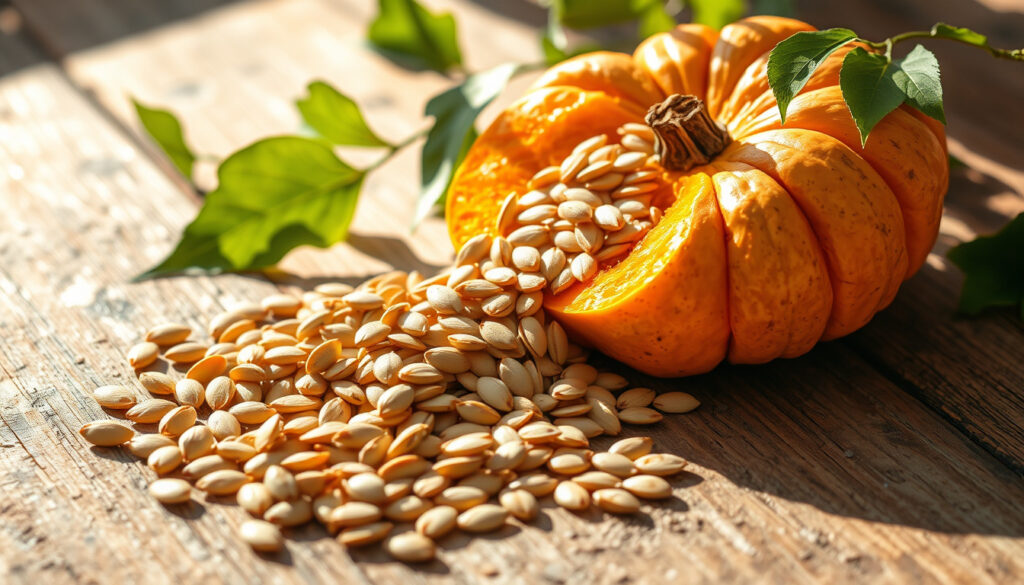
Are Pumpkin Seeds Good for You? Benefits and Risks
If you’ve ever scooped seeds from a Halloween jack-o’-lantern and wondered whether they were worth saving, you’re not alone. Pumpkin seeds pack a surprising nutritional punch—magnesium, zinc, plant protein, and antioxidants all in one small, crunchy package. The question is whether eating them regularly actually moves the needle on your health, and whether there are any trade-offs most healthy-eating articles gloss over. This article cuts through the hype with science-backed benefits, verified dosages, and the real risks to watch out for.
Heart healthy: Antioxidant-rich · Blood sugar support: May balance levels · Nutrient-dense: High magnesium and zinc · Safe daily: No negative health impact · Plant protein: Good source
Quick snapshot
- Heart health support (WebMD health guide)
- Blood sugar balance (BBC Good Food nutrition review)
- Antioxidant protection (WebMD health guide)
- Plant protein (Krishival nutrition guide)
- Magnesium-rich — 70–80 mg per 28–30g (Krishival nutrition guide)
- Zinc source — 2–3 mg per serving (Krishival nutrition guide)
- Calorie dense (Krishival dietary analysis)
- Digestive issues possible (DrAxe nutrition resource)
- Allergy risks (WebMD health guide)
- Safe daily intake confirmed (Patient.info dietary guidance)
- Heart and blood sugar benefits tier-1 backed (PMC/NIH research study)
- Direct belly fat reduction remains unclear (DrAxe nutrition resource)
A standard serving of pumpkin seeds delivers a concentrated mix of nutrients—here is what you get in a typical quarter-cup (28–30g) serving.
| Nutrient | Amount per Serving (28g) |
|---|---|
| Calories | 125–150 |
| Protein | 7g |
| Magnesium | 70–80 mg (37% DV) |
| Zinc | 2–3 mg (14% DV) |
| Antioxidants | High |
“The American Heart Association recommends a quarter cup of daily intake of pumpkin seeds as part of an overall healthy diet, which is approximately 30g.”
— MedicineNet medical resource on pumpkin seed dosage guidelines
How many pumpkin seeds should you eat per day?
The American Heart Association recommends a quarter cup (approximately 30g) of pumpkin seeds daily as part of a healthy diet (MedicineNet dietary reference). For most adults, this translates to roughly 1–2 tablespoons or about 28g of shelled seeds. Dietitian Brittain via Patient.info dietary guidance confirms this ceiling: no more than 28g daily to manage calorie intake while still capturing the nutrient benefits. Athletes or those with specific conditions like benign prostatic hyperplasia (BPH) may target higher therapeutic doses—5g of seeds twice daily—but this sits outside general wellness guidance (MedicineNet condition-specific dosing).
Daily serving size recommendations
- Adults: 1–2 tablespoons (15–30g) daily is the consensus across Ayurvedic and Western dietary guidance (Para Hospitals nutrition guide, Ask Ayurveda wellness guide).
- Children: 1 teaspoon to 1 tablespoon depending on age (Ask Ayurveda pediatric guidance).
- One tablespoon equals roughly 50 calories, making portion control straightforward (Ariga Foods portion guide).
Overconsumption risks
- Excess intake causes bloating, gas, and constipation due to high fiber content—particularly for those with sensitive digestion or IBD (Krishival digestive analysis, DrAxe health resource).
- Calorie density means uncontrolled snacking adds up quickly: quarter cup (28–30g) delivers 125–150 calories (Krishival caloric breakdown).
- Phytic acid in high amounts reduces absorption of iron, zinc, calcium, and magnesium (Krishival antinutrient guide).
“Brittain recommends you eat no more than 28 grams of pumpkin seeds a day. This is equivalent to 1/4 cup of shelled seeds.”
— Brittain, dietitian via Patient.info dietary guidance
Do pumpkin seeds reduce belly fat?
Pumpkin seeds do not directly burn belly fat—no single food does. What the research shows is more nuanced: their high magnesium content supports insulin sensitivity, their fiber promotes satiety, and their plant protein helps preserve lean mass during calorie restriction (DrAxe metabolic analysis). These are indirect mechanisms, not a shortcut. For someone already eating a balanced diet and exercising, adding pumpkin seeds may nudge metabolic health in the right direction. For someone expecting spot-reduction, the evidence does not support that claim.
Link to weight loss
- The fiber in pumpkin seeds increases feelings of fullness, which may naturally reduce overall calorie intake (WebMD dietary benefits).
- Magnesium plays a role in blood sugar regulation; unstable blood sugar drives cravings that undermine weight management efforts (WebMD metabolic effects).
- The American Heart Association includes pumpkin seeds in heart-healthy diet patterns, not weight-loss programs specifically (MedicineNet dietary reference).
Evidence from studies
- No peer-reviewed human trial directly links pumpkin seed consumption to reduced waist circumference (PMC/NIH clinical review).
- Tryptophan content (576mg per 100g) supports serotonin production, which may help with mood-related eating—but this remains indirect (PMC/NIH amino acid study).
- Animal studies on pumpkin seed oil show anti-inflammatory effects, which matter for metabolic health broadly rather than fat loss specifically (DrAxe preclinical research).
What are the pros and cons of eating pumpkin seeds?
Pumpkin seeds earn their reputation as a nutrient-dense whole food: they deliver plant protein, minerals, and antioxidants in a compact serving (WebMD nutritional profile). The case for eating them regularly is strong—heart health, blood sugar balance, and anti-inflammatory effects all have credible backing. But the benefits do not exist in a vacuum. Calorie density, antinutrients like phytic acid, and specific drug interactions make them a qualified win rather than an unconditional one.
Key health benefits
- Heart health: Antioxidants in pumpkin seeds protect cells from oxidative damage; omega-3 fatty acids and magnesium support cardiovascular function (WebMD cardiovascular benefits).
- Blood sugar balance: Magnesium aids insulin signaling; WebMD notes these seeds may help reduce risk of type 2 diabetes complications (WebMD diabetic support).
- Antioxidant protection: Hull-intact seeds provide dietary fiber that enhances anti-inflammatory effects (WebMD anti-inflammatory effects).
- Sleep support: Tryptophan content (576mg per 100g) converts to serotonin, which can improve sleep quality when consumed before bed (PMC/NIH sleep study).
Potential drawbacks
- Oxalates (about 5mg per quarter cup) pose a kidney stone risk for susceptible individuals (Krishival oxalate analysis).
- Phytic acid binds minerals; soaking or sprouting seeds mitigates this but is rarely done commercially (Krishival antinutrient guide).
- Vitamin K content may interfere with blood thinners like warfarin (WebMD drug interaction warning, Krishival medication guidance).
- Allergies are rare but documented, ranging from mild oral symptoms to anaphylaxis (WebMD allergy documentation).
Pumpkin seeds deliver meaningful minerals and antioxidants but pack enough calories and antinutrients that mindless snacking wipes out the benefit. Portion discipline is not optional—it is the difference between a health food and a calorie trap.
Upsides
- Rich in magnesium (70–80mg per 28–30g serving) supporting nerve and muscle function
- Zinc content (2–3mg) boosts immune response and prostate health
- Plant protein (5–7g per ounce) supports muscle maintenance
- Antioxidants reduce cellular inflammation linked to chronic disease
- Safe for daily consumption within portion guidelines
Downsides
- Calorie dense — 125–150 calories per quarter cup
- High fiber causes digestive upset in sensitive individuals
- Phytic acid impairs mineral absorption if eaten in excess
- Vitamin K interactions with anticoagulant medications
- Rare allergy risk from mild to severe
What is the healthiest way to eat pumpkin seeds?
The healthiest preparation depends on your priority. Raw seeds retain more vitamins and minerals but also carry more antinutrients like phytic acid (Healthline preparation comparison). Roasted seeds lose some heat-sensitive nutrients but develop stronger flavor, which many people find makes daily consumption more sustainable. Whether you eat them shelled or with the hull intact comes down to fiber preference—the hull adds roughage but poses a choking hazard for young children (Krishival preparation guide). Soaking seeds overnight reduces phytic acid significantly, making minerals more bioavailable, but this step is often skipped in modern kitchens.
Preparation methods
- Raw: Maximum nutrient retention but higher antinutrient load (Healthline raw food analysis).
- Roasted (dry roast, low heat): Preferred for digestibility and flavor; avoid oil-heavy frying to keep calories in check.
- Soaked overnight + dehydration: Labor-intensive but optimizes mineral absorption.
- Sprouted: Similar benefits to soaking; increasingly available at health food stores.
Recipes and pairings
- Sprinkle raw or roasted seeds over oatmeal, salads, or Greek yogurt for added crunch and protein.
- Blend into smoothies for a magnesium and zinc boost without altering taste significantly.
- Use pumpkin seed butter as a spread alternative to nut butters.
- Pair with fruit (bananas, berries) to balance tryptophan with carbohydrates that aid serotonin uptake for sleep.
The hull myth needs debunking: you do not need to remove the hull to enjoy pumpkin seeds’ benefits. Whole seeds add fiber; shelled seeds add convenience. Choose based on your digestive tolerance and kitchen time, not a misguided belief that hulls are harmful.
The pattern: most people skip the soaking step that would reduce antinutrients, which means the “convenient” option often comes with a slight nutrient-absorption tradeoff.
Are there any side effects to eating pumpkin seeds?
For most people, pumpkin seeds are safe in food amounts. The side effects that matter are dose-dependent and population-specific rather than universal. Digestive discomfort is the most common complaint—fiber and fat together can overwhelm a sensitive gut. Allergic reactions exist but are rare, documented across ages 3 to 70 (WebMD safety profile). More clinically relevant are drug interactions: vitamin K in pumpkin seeds counteracts blood thinners, and the diuretic effect reported by WebMD may amplify prescription diuretics.
Common issues
- Digestive upset: bloating, gas, constipation — especially when daily intake exceeds 28g without adequate water (Krishival digestive effects, DrAxe clinical observations).
- Diarrhea: reported side effect in rare cases when consumed in medicinal amounts (WebMD supplement profile).
- Skin itching or rash: mild allergic response documented (WebMD adverse reactions).
Who should avoid
- People on warfarin or similar anticoagulants due to vitamin K content (WebMD contraindication warning, Krishival medication interaction).
- Individuals prone to kidney stones (oxalate content ~5mg per quarter cup) (Krishival stone risk assessment).
- Those with sesame seed or nut allergies (cross-reactivity possible) (WebMD allergy cross-reactivity).
- Children under 5 given whole seeds (choking hazard) (Krishival pediatric safety).
- People with IBD or fiber-sensitive conditions may need to limit intake or avoid entirely.
The catch: even though pumpkin seeds are a whole food, the vitamin K and oxalate content makes them a medical consideration for specific patient populations that casual health articles typically gloss over.
Related: Side Effects of Creatine
Related reading: Side Effects of Creatine · Signs Iron Pills Are Working
These nutrient-dense pepitas deliver magnesium, zinc and antioxidants that offer heart, prostate and sleep aid while supporting cardiovascular and blood sugar health.
Frequently asked questions
What is the best time to eat pumpkin seeds, morning or night?
Eating pumpkin seeds before bed may support sleep due to tryptophan content (576mg per 100g), which converts to serotonin and then melatonin (PMC/NIH sleep research). Consuming 1g of seeds roughly 30 minutes before sleep is one specific protocol cited by MedicineNet sleep guidance. Morning consumption works well for sustained energy—protein and fiber support satiety through the morning. Neither timing is clearly superior; both have merit depending on your goals.
Are pumpkin seeds good for your heart?
Yes. Pumpkin seeds are rich in antioxidants, magnesium, and omega-3 fatty acids that collectively support cardiovascular function (WebMD heart health guide). The American Heart Association specifically recommends a quarter cup daily as part of a heart-healthy eating pattern (MedicineNet AHA endorsement). Regular consumption is associated with lower inflammation markers and improved lipid profiles in available research.
What are pumpkin seeds benefits for females?
Women benefit specifically from zinc (supports immune function and skin health), magnesium (helps with mood stability and menstrual symptom management), and iron (vegetarian sources matter for those avoiding red meat). Tryptophan content may also support mood during hormonal fluctuations, though direct studies on menstrual cycle effects are limited.
What are pumpkin seeds benefits for males?
Men reap particular benefits from zinc content, which supports testosterone production and prostate health. For benign prostatic hyperplasia (BPH), specific dosing of 5g pumpkin seeds twice daily or 160mg pumpkin seed oil is cited by MedicineNet therapeutic dosing as a therapeutic guideline. Plant sterols in pumpkin seeds also support hormonal balance relevant to male health.
Who cannot eat pumpkin seeds?
Those on blood thinners (warfarin), individuals with kidney stone history, people with sesame or tree nut cross-reactive allergies, children under 5 (whole seed choking risk), and anyone with extreme fiber sensitivity should avoid or severely limit pumpkin seed intake. Consult a healthcare provider if you have chronic digestive conditions like Crohn’s disease or ulcerative colitis.
What is the healthiest seed you can eat?
No single seed wins universally. Pumpkin seeds excel in magnesium and zinc; flaxseeds lead in omega-3 and lignans; chia seeds dominate in fiber; hemp seeds win on complete protein. “Healthiest” depends on your specific nutritional gap. For magnesium and zinc specifically, pumpkin seeds are among the strongest plant-based options.
Can you eat unshelled pumpkin seeds?
Yes, unshelled (whole) pumpkin seeds are edible and add dietary fiber from the hull. They provide enhanced anti-inflammatory benefits compared to shelled seeds (WebMD whole seed benefits). The tradeoff is a choking hazard for young children and a texture that some adults find unpleasant. If you have diverticulitis or similar intestinal conditions, hull-intact seeds may irritate the digestive tract.
Summary
Pumpkin seeds sit comfortably in the “worth eating regularly” category for most adults—not because of hype but because the nutrient profile holds up under scrutiny. The American Heart Association’s endorsement, PMC research on tryptophan content, and consistent reporting from WebMD and Patient.info give this food more credibility than many trendy superfoods. The real discipline is not eating them at all—it is stopping at 1–2 tablespoons daily. Let the portion size do the work, and the magnesium, zinc, and antioxidants will add up without the downside of excess calories or digestive distress.
The implication for readers: if you can build the habit of measuring out a tablespoon instead of eating from the bag, pumpkin seeds deliver measurable nutritional returns without the metabolic downside that comes from treating them as a free-for-all snack.
More related posts
 Category B Driving Licence – Vehicles, Limits and How to Get It
 Fred Sirieix: Wife, Children, Net Worth, and Career Facts
 Low Taper Fade Straight Hair: Styles, Tips & Comparisons
 The Polar Express Train Ride 2026: UK Tickets, Prices & Guide
 Air India Crash Update: Cause, Pilot’s Last Words & Survivors
 Nilavuku En Mel Ennadi Kobam – Meaning, Origin and Cultural Roots
 What Is a Tariff – Definition, Types and Economic Impacts
 Lisa Eldridge Skin Tint: Seamless Enhancing Tint Review