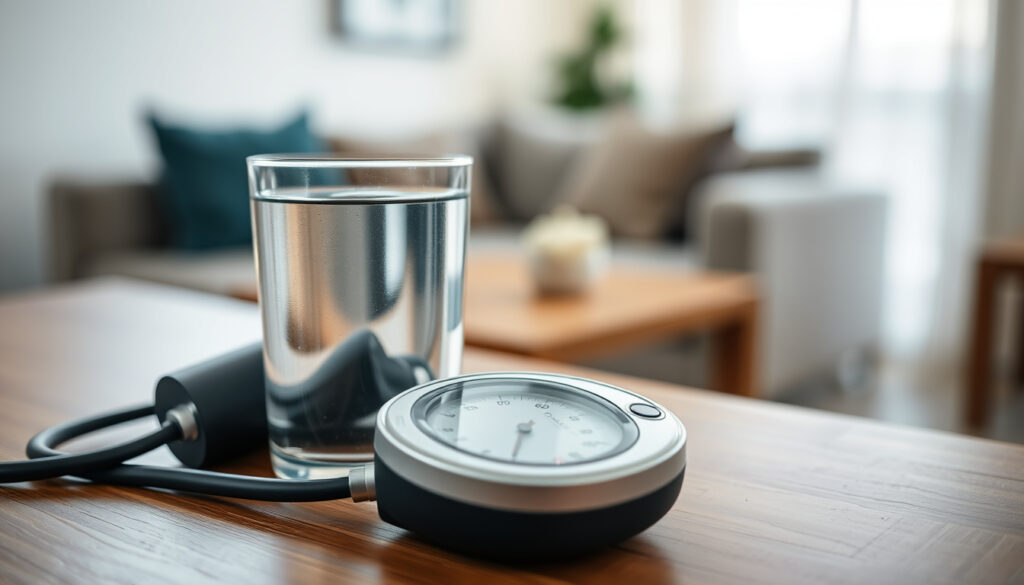
Symptoms of Low Blood Pressure: Causes, Treatment, When to Worry
A slightly lower reading on the blood pressure cuff doesn’t always mean trouble — in fact, many people with naturally low pressure feel perfectly fine. But when dizziness, fainting, or fatigue start interfering with daily life, it’s time to understand what’s happening under the surface. This guide breaks down the symptoms of low blood pressure, the most common causes, and the practical steps you can take at home — plus the warning signs that deserve a call to your doctor.
Normal blood pressure range: 90/60 mmHg to 120/80 mmHg ·
Hypotension definition: Blood pressure below 90/60 mmHg ·
Common symptom prevalence: Dizziness affects up to 30% of people with low BP ·
Emergency threshold: Below 70/40 mmHg (often requires immediate care)
Quick snapshot
- Low blood pressure defined as below 90/60 mmHg (Cleveland Clinic (leading US hospital system))
- Symptoms include dizziness, fainting, blurred vision (Mayo Clinic (top-tier medical center))
- Orthostatic hypotension is a drop upon standing (Cleveland Clinic)
- Increasing salt and fluid intake can raise blood pressure (NHS inform (UK health authority))
- Exact prevalence of asymptomatic hypotension is unknown
- Ideal target BP for individuals with chronic hypotension not established
- Whether mild hypotension increases long-term mortality is debated
- Orthostatic drops happen within seconds to minutes of standing (Mayo Clinic)
- Postprandial hypotension occurs 30–60 minutes after eating (Cleveland Clinic)
- Chronic asymptomatic hypotension may persist for years without change (Mayo Clinic)
- If symptoms interfere with daily life: schedule a medical evaluation
- For emergency signs (chest pain, confusion, BP <70/40): call 911
- At-home: increase fluids, add salt, wear compression stockings
| Category | Value |
|---|---|
| Normal BP | 90/60 – 120/80 mmHg |
| Hypotension threshold | < 90/60 mmHg (Cleveland Clinic) |
| Emergency level | < 70/40 mmHg (Mayo Clinic) |
| Common cause (non‑urgent) | Dehydration, prolonged standing (Healthdirect (Australian govt health service)) |
| Common cause (urgent) | Blood loss, severe infection (Healthdirect) |
The pattern: most cases of low blood pressure fall into one of these categories, from benign readings to emergency-level drops that require immediate action.
What are the causes of low blood pressure?
Dehydration and blood loss
- When the body loses more water than it takes in, blood volume drops and pressure falls. Healthdirect (Australian government health service) lists dehydration as a primary cause. Significant blood loss from injury or internal bleeding can also produce a rapid, dangerous fall in BP.
Heart conditions (bradycardia, heart failure)
- Mayo Clinic (leading US medical center) notes that heart disease, including bradycardia (very slow heart rate), heart valve problems, and heart failure, can reduce the heart’s ability to pump enough blood, leading to hypotension.
Endocrine disorders (thyroid, adrenal insufficiency)
- Conditions such as hypothyroidism, adrenal insufficiency (Addison’s disease), and low blood sugar can disrupt hormone regulation of blood pressure. Healthdirect (Australian government health service) includes hormonal conditions among the causes.
Medications (diuretics, alpha blockers)
- Many prescription and over‑the‑counter drugs can lower BP as a side effect. Diuretics, beta‑blockers, alpha‑blockers, and some antidepressants are common culprits, according to Mayo Clinic (Mayo Clinic).
Pregnancy and postural changes
- Blood pressure often drops during the first 24 weeks of pregnancy because the circulatory system expands. Postural (orthostatic) hypotension — a sudden drop when standing up — is especially common in adults over 65, per Mayo Clinic (Mayo Clinic). Neurally mediated hypotension, by contrast, mainly affects children and younger adults.
The common thread: most causes reduce circulating blood volume or impair the body’s ability to regulate pressure. Identifying the root cause is the first step toward effective management.
How does your body feel when blood pressure is low?
Dizziness and lightheadedness
- Cleveland Clinic (Cleveland Clinic) lists dizziness or lightheadedness as the most frequent symptom. This can happen when standing up quickly, after prolonged standing, or even while resting.
Fainting or near‑fainting
- Mayo Clinic (Mayo Clinic) confirms fainting (syncope) as a classic sign. When BP drops sharply, the brain doesn’t get enough blood, causing loss of consciousness.
Blurred or tunnel vision
- Reduced blood flow to the eyes can cause vision changes — blurred, fading, or tunnel vision. Mayo Clinic (Mayo Clinic) includes this among key symptoms.
Nausea and fatigue
- Upset stomach and unusual tiredness are common. Cleveland Clinic (Cleveland Clinic) notes nausea or vomiting, fatigue, and confusion as potential symptoms. A person may feel too weak to complete normal tasks.
Cold, clammy, pale skin
- When BP is low, the body redirects blood to vital organs, leaving the skin cool and pale. Fast, shallow breathing can also occur, says Cleveland Clinic (Cleveland Clinic).
What this means: symptom severity ranges from mild (occasional lightheadedness) to debilitating (recurrent fainting). The key is whether symptoms interfere with daily life — if they do, it’s worth investigating the cause.
Many people with chronic low BP have no symptoms at all, yet the same reading in someone else triggers fainting. The difference often lies in how fast the pressure drops and whether the brain adapts over time.
How do you bring your blood pressure up if it’s low?
Increase fluid intake (water, electrolyte drinks)
- Drinking plenty of water increases blood volume and raises BP. Cleveland Clinic (Cleveland Clinic) recommends staying well hydrated as a first line of defense.
Add more salt to your diet (under medical guidance)
- Sodium helps the body retain water. NHS inform (NHS inform (Scotland’s health service)) advises adding salt to meals, but cautions those with heart failure or kidney disease to consult a doctor first.
Wear compression stockings
- Graduated compression stockings reduce blood pooling in the legs, helping maintain pressure when standing. Cleveland Clinic (Cleveland Clinic) lists this as a practical measure for orthostatic hypotension.
Avoid rapid posture changes
- Changing positions slowly — from lying to sitting, then standing — can prevent orthostatic drops. Mayo Clinic (Mayo Clinic) notes that this is especially important for older adults.
Eat smaller, more frequent meals
- Large meals can trigger postprandial hypotension — a sudden BP drop after eating. Smaller, lower‑carb meals help blunt this effect.
The catch: there’s no one‑size‑fits‑all solution. The right approach depends on whether your hypotension is chronic and benign or caused by an underlying condition. A doctor can help tailor the strategy.
What food should you include and avoid for low blood pressure?
Foods to include: salty snacks, fluids, B12 and folate sources
- Sodium‑rich foods like pickles, olives, salted nuts, or pretzels can temporarily raise BP. NHS inform (NHS inform) suggests increasing salt intake under medical supervision. Vitamin B12 and folate deficiency can cause anemia‑related low BP; include fortified cereals, eggs, leafy greens, and citrus fruits.
Foods to avoid: alcohol, high‑carb meals
- Alcohol dilates blood vessels and can lower BP significantly. Large, carbohydrate‑heavy meals (pasta, rice, bread) can cause postprandial drops. Healthdirect (Australian government health service) warns that alcohol worsens dehydration, compounding the problem.
Immediate remedies: a pinch of salt, a glass of water, a caffeinated beverage
- When symptoms hit, quick options include a salty snack, a glass of water, or a small caffeinated drink like coffee. Caffeine temporarily constricts blood vessels and raises pressure, but the effect is short‑lived.
Why this matters: dietary changes are among the easiest and safest ways to manage mild hypotension — but they require balance. Too much salt can harm people with hypertension or kidney issues, so individual guidance is essential.
Patients on diuretics or ACE inhibitors: increasing salt without adjusting medication can cause dangerous fluid overload. Always check with your prescribing doctor before changing sodium intake.
Should I worry if my blood pressure is low?
When low BP is not a concern
- Asymptomatic low BP in otherwise healthy individuals is usually harmless. Cleveland Clinic (Cleveland Clinic) states that many people with readings like 85/55 mmHg live normally without symptoms. In fact, low BP is often associated with lower risk of stroke and heart disease.
Signs that require medical evaluation
- Worry if symptoms interfere with daily life — repeated fainting, persistent dizziness, fatigue that limits activity. Also seek help if BP drops suddenly without explanation, or if you have a known condition like diabetes or Parkinson’s that increases risk.
Emergency warning signs (confusion, chest pain, black stool)
- Mayo Clinic (Mayo Clinic) says to call 911 if low BP is accompanied by chest pain, severe headache, shortness of breath, high fever, irregular heartbeat, black or maroon stools, or confusion. A reading below 70/40 mmHg is typically considered an emergency — it can indicate shock, severe infection, or internal bleeding.
The trade‑off: mild, symptom‑free hypotension is generally protective; severe, symptomatic hypotension is a medical red flag. The dividing line is how you feel and how fast the change happens.
Upsides
- Lower cardiovascular risk in many studies
- Often no treatment needed
- Simple lifestyle changes can help
- Easy to monitor at home
Downsides
- Can cause falls and injuries from fainting
- May signal an underlying condition
- Dietary sodium increase may conflict with other health needs
- Difficult to know when to seek emergency care
Step-by-step at-home management
- Check your reading: Use a validated home BP monitor. Measure at the same time each day, seated, after resting 5 minutes.
- Hydrate first: Drink 300–500 ml of water over 10 minutes if you feel symptoms coming on.
- Add a salty snack: If you have no dietary restrictions, eat a handful of salted nuts or a pickle.
- Change positions slowly: When getting out of bed, sit on the edge for a minute before standing.
- Wear compression socks: Put them on before getting up in the morning for orthostatic hypotension.
- Keep a symptom diary: Note when symptoms happen, what you were doing, and your BP reading. This helps your doctor identify patterns.
The routine is simple, but consistency matters. Most people see improvement within a few days of regular hydration and salt adjustment — but if dizziness persists, see a professional.
What’s clear and what’s not about low blood pressure
Confirmed facts
- Low blood pressure is defined as below 90/60 mmHg (Cleveland Clinic)
- Symptoms include dizziness, fainting, and blurred vision (Mayo Clinic)
- Orthostatic hypotension is a drop upon standing (Cleveland Clinic)
- Increasing salt and fluid intake can raise blood pressure (NHS inform)
- Severe hypotension can be life‑threatening (Mayo Clinic)
What’s unclear
- Exact prevalence of asymptomatic hypotension is unknown
- Ideal target BP for individuals with chronic hypotension is not established
- Whether mild hypotension increases long‑term mortality is debated
“For many people, low blood pressure is not a problem. However, if it causes symptoms, it may need to be treated.”
Mayo Clinic (top US medical center)
“Symptoms of hypotension include dizziness, lightheadedness, fainting, nausea, and blurred vision. If you experience any of these, sit down to avoid falling.”
Cleveland Clinic (US hospital system)
“Treatments for low blood pressure include increasing the amount of salt in your diet and drinking more fluids. Always speak to your doctor before making these changes.”
NHS inform (Scotland’s health authority)
For the average person with occasional mild hypotension, the choice is clear: adjust your hydration and diet, move slowly, and keep an eye on symptoms. For anyone experiencing repeated fainting, chest pain, or a sudden drop into crisis territory, the decision is equally clear — call for emergency help without delay.
Related reading: What Causes Low Blood Pressure? Common Causes, Symptoms & Fixes · Symptoms of Iron Deficiency: Signs, Causes and Self-Checks
ubiehealth.com, cigna.com, bannerhealth.com, betterhealth.vic.gov.au, bhf.org.uk
While this guide covers common symptoms of low blood pressure, you can also explore a detailed breakdown of symptoms of low blood pressure to understand how they differ from other conditions.
Frequently asked questions
Can low blood pressure cause headaches?
Yes, some people with low blood pressure report headaches, though it’s not as common as dizziness. The mechanism may involve reduced blood flow to the brain.
Is low blood pressure genetic?
There may be a hereditary component. Some families naturally run lower BP levels, but environmental factors like diet and hydration play a larger role.
Does dehydration cause low blood pressure?
Absolutely. When fluid volume drops, blood pressure falls. Rehydrating with water or electrolyte drinks is often the quickest fix.
Can low blood pressure be a sign of pregnancy?
Yes. BP often drops in the first 24 weeks of pregnancy because the circulatory system expands. It usually returns to normal after delivery.
What is the best position to lie down when blood pressure is low?
Lying flat on your back with legs elevated (above heart level) helps return blood to the brain. If you feel faint, lie down immediately.
Does salt help low blood pressure immediately?
Yes, a small amount of sodium can raise BP within minutes by drawing water into the bloodstream. Try a pinch of salt under the tongue or a salty snack.
Can medications cause low blood pressure?
Many drugs — including diuretics, beta‑blockers, alpha‑blockers, and some antidepressants — list hypotension as a side effect. Review your meds with your doctor.
How is low blood pressure diagnosed?
With a simple blood pressure cuff measurement. A reading below 90/60 mmHg on two or more occasions at rest is diagnostic. Your doctor may also order blood tests, an ECG, or a tilt‑table test to find the cause.
More related posts
 Lyse Doucet Biography: Age, Languages, Ethnicity, Personal Life
 Translate English to German: Best Free Tools & Tips
 Peter Rabbit Characters: Names of All Rabbits Explained
 How Did Gene Hackman Die? Autopsy Reveals Heart Disease, Alzheimer’s
 Ed Miliband Bacon Sandwich – The Full Story and Impact
 Bath and Body Works UK: Stores, Next, Shipping Guide
 What Is 67 Mean – UK Drill, Slang, Numerology Explained
 What is Pension Credit – Eligibility, Rates and How to Claim