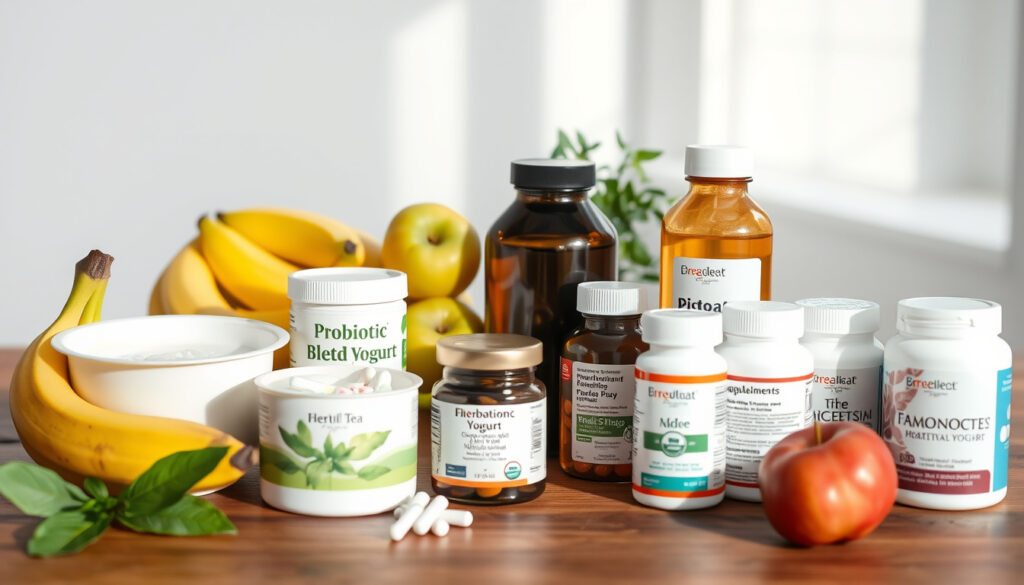
Irritable Bowel Syndrome Treatments: Best Options
If you’ve spent even a few days dealing with bloating, cramps, and unpredictable bathroom urgency, you already know that IBS isn’t just a minor inconvenience—it’s a daily puzzle that can quietly take over your life. The good news: while there’s no cure, the right combination of diet tweaks, medications, and lifestyle habits can make a real dent in symptoms. This guide pulls together the clearest, most authority-backed strategies from HSE, NHS, and Mayo Clinic so you know what actually works versus what’s just noise.
Recommended linseeds per day: up to 1 tablespoon · Common first-line approach: diet and lifestyle changes · Fiber supplement example: psyllium husk · Psychological therapy option: CBT · Cure status: no cure, symptoms manageable
Quick snapshot
- Best OTC choice varies by subtype (IBS-C vs IBS-D vs mixed)
- Long-term outcomes of strict low FODMAP adherence
- Alosetron withdrawn in 2000, reintroduced 2002 with restrictions (Mayo Clinic)
- BSG guidelines published 2021 (PubMed)
- Individualized approach is key—no single best treatment fits everyone
- Consult a GP before starting new medications
| Label | Value |
|---|---|
| Cure available | No |
| Top recommendation | Diet changes |
| Fiber type | Psyllium husk |
| Oats benefit | Ease bloating |
What is the best treatment for IBS?
There’s no single magic pill or diet that works for everyone with IBS. Healthcare authorities like HSE.ie (Ireland’s Health Service Executive) agree that treatment typically starts with diet and lifestyle changes, then layers in medications or psychological therapies depending on symptom severity and subtype.
Diet changes
The low FODMAP diet has become the most researched dietary approach for IBS. It involves avoiding foods not easily broken down by the gut, such as certain fruits, vegetables, milk, and wheat products (HSE.ie). The diet has three phases: elimination, reintroduction, and personalization (Mayo Clinic Health).
Low FODMAP diets are as effective as traditional advice but more restrictive—reintroducing foods gradually helps identify specific triggers (Mayo Clinic). If general diet tips fail, HSE recommends GP referral to a dietitian for structured low FODMAP guidance (HSE.ie).
Lifestyle adjustments
Stress plays a measurable role in IBS. Mayo Clinic categorizes IBS as a disorder of gut-brain interaction influenced by stress (Mayo Clinic YouTube). HSE offers CBT referral or self-referral for stress-related IBS (HSE.ie).
Regular exercise, adequate sleep, and pacing meals also help. NHS recommends 1.5 litres of fluid daily and keeping a food diary to track triggers (NHS.uk).
Medications
When diet alone isn’t enough, several medication classes come into play. Mayo Clinic treatments include fiber supplements like psyllium, laxatives like polyethylene glycol, and antidiarrheals like loperamide (Mayo Clinic).
For cramping, HSE GPs may prescribe amitriptyline or citalopram (antidepressants) to ease IBS symptoms (HSE.ie). Tricyclic antidepressants like imipramine at low doses reduce IBS pain according to Mayo Clinic (Mayo Clinic).
The implication: combining dietary changes with targeted medications often works better than either approach alone.
The British Society of Gastroenterology guidelines from 2021 synthesize evidence across dietary, pharmacological, and psychological therapies—giving clinicians a framework for tailoring treatment to each patient’s subtype (PubMed).
How to calm an irritable bowel?
When symptoms flare, quick practical steps can prevent a bad hour from becoming a bad day. The approach splits into immediate relief tactics, dietary tweaks, and stress reduction techniques.
Immediate relief steps
- Sip water slowly—NHS recommends 1.5 litres daily but pace it to avoid overwhelming the gut
- Avoid carbonated drinks, caffeine, and raw fruits that produce gas (Mayo Clinic News Network)
- Use a heating pad on the abdomen for cramp relief
- For acute diarrhea, loperamide (Imodium) can help slow gut movement
Diet tweaks
NHS recommends oats and linseeds up to 1 tablespoon daily to help ease bloating (NHS.uk). Avoiding hard-to-digest foods like cabbage and broccoli reduces gas buildup.
Reducing gluten may ease IBS-related diarrhea even without celiac disease, per Mayo Clinic (Mayo Clinic News Network). Eating smaller, more frequent meals puts less pressure on the digestive system than large meals.
Stress reduction
Deep breathing exercises, gentle yoga, and progressive muscle relaxation can calm the gut-brain axis during a flare. CBT therapy through HSE helps patients develop coping strategies specifically for stress-triggered IBS (HSE.ie).
IBS is now categorized as a disorder of gut-brain interaction—not a purely digestive condition. This shift means psychological techniques carry real physiological benefits, not just mental comfort.
What drink is good for IBS?
What you sip matters as much as what you eat when managing IBS. Some drinks soothe the gut; others can spark a flare within minutes.
Hydration options
Water remains the safest choice. NHS recommends about 1.5 litres of fluid daily for digestive health (NHS.uk). Herbal teas—particularly peppermint and ginger—have gut-calming properties and are generally well tolerated.
Herbal choices
Peppermint oil capsules (available from pharmacists) are recommended by NHS for bloating and cramps (NHS.uk). Ginger tea can ease nausea and has mild anti-inflammatory effects.
What this means: Your drink choices directly affect how well you manage IBS symptoms—and while water is always safe, peppermint and ginger offer evidence-based relief for many people.
Limit caffeine and alcohol—both stimulate the gut and can worsen diarrhea-predominant IBS. Carbonated drinks introduce gas that exacerbates bloating. Watch for high-FODMAP ingredients in sweetened beverages, including fruit juices with added fructose.
What are the worst foods for IBS?
Trigger foods vary by person, but certain categories consistently rank among the worst offenders across clinical guidelines and patient reports.
High FODMAP foods
The low FODMAP framework identifies foods most likely to ferment in the gut and cause bloating, gas, and altered bowel movements. Common culprits include onions, garlic, wheat-based breads, certain dairy products, beans, lentils, and fruits like apples and pears.
Common triggers
- Dairy products (especially for those with lactose sensitivity)
- Wheat products like bread and pasta
- Cabbage, broccoli, and Brussels sprouts
- Carbonated drinks and caffeine
- Fatty or fried foods
Mayo Clinic advises avoiding gas-producing foods like carbonated drinks, caffeine, raw fruits, and cabbage specifically (Mayo Clinic News Network). NHS similarly recommends steering clear of hard-to-digest foods like cabbage and broccoli for bloating (NHS.uk).
The pattern: Most high-FODMAP foods share one trait—they ferment quickly in the gut. This is why reintroduction testing matters—you may tolerate some of these better than others.
The low FODMAP diet can feel restrictive because it eliminates so many common foods. The key is the three-phase approach—don’t just cut everything permanently. Work with a dietitian to systematically reintroduce foods and identify your specific triggers rather than assuming all high FODMAP foods affect you equally.
What is the best over the counter medicine for IBS?
Over-the-counter options can’t cure IBS, but they can meaningfully reduce specific symptoms. The right choice depends on whether constipation, diarrhea, or cramping dominates your experience. For more information on Irritable Bowel Syndrome treatments, please visit Epiduo żel na trądzik. Epiduo żel na trądzik
Antidiarrheals
Loperamide (sold as Imodium) slows gut movement and is the most common OTC choice for diarrhea-predominant IBS (Mayo Clinic). NHS video mentions loperamide for diarrhea management (NHS YouTube). Take it as needed, not routinely—your gut still needs to clear waste.
Laxatives
For constipation-predominant IBS, NHS advises Fybogel laxatives for relief (NHS.uk). Osmotic laxatives like polyethylene glycol (PEG) draw water into the intestines to soften stool.
Fiber supplements
Fiber needs careful handling in IBS. Soluble fiber (like psyllium husk) is generally better tolerated than insoluble fiber. Mayo Clinic recommends psyllium for IBS, noting it should be taken with plenty of fluids (Mayo Clinic). Start with a low dose and increase gradually—too much fiber too fast can worsen bloating and gas.
OTC medicines treat symptoms, not the underlying condition. They work best as part of a broader management plan that includes diet modification, stress management, and regular GP check-ins to monitor your subtype and adjust treatment as needed.
How to manage IBS: practical steps
Putting IBS management into practice involves daily habits, periodic check-ins, and knowing when to escalate care. Here’s how to build an effective personal management plan.
- Keep a food and symptom diary. Track what you eat, when you eat it, and any symptoms that follow. This helps identify patterns within 2-4 weeks.
- Start with soluble fiber. Add psyllium husk gradually (half a dose for the first few days) with plenty of water. Increase only if tolerated.
- Try the low FODMAP elimination phase. Cut high FODMAP foods for 2-6 weeks, then systematically reintroduce one food group per week.
- Add linseeds. NHS recommends up to 1 tablespoon daily—sprinkle on porridge, yogurt, or salads.
- Manage stress daily. Even 10 minutes of deep breathing or walking can reduce gut sensitivity. Consider CBT if stress is a major trigger.
- Use OTC support wisely. Loperamide for diarrhea flares, Fybogel for constipation—but only as needed, not as a daily fix.
- See your GP if symptoms don’t improve. A GP can refer you to a dietitian, prescribe stronger medications, or investigate red flag symptoms.
Mayo Clinic uses gastroenterologists, Motility Clinic specialists, biofeedback therapists, and psychologists for complex IBS cases—showing that multidisciplinary care often outperforms single-approach treatment (Mayo Clinic).
What we know versus what remains unclear
IBS research has clear winners and genuine gaps. Here’s how the evidence separates confirmed facts from open questions.
Confirmed facts
- Diet and lifestyle changes help most IBS cases (HSE.ie)
- No cure exists for IBS (HSE.ie)
- Low FODMAP diet is effective when properly guided (Mayo Clinic)
- Psyllium husk and linseeds have solid evidence (NHS.uk)
- CBT reduces stress-triggered symptoms (HSE.ie)
- Antispasmodics like Buscopan help cramping (NHS.uk)
Remaining questions
- Best OTC choice varies by individual subtype
- Long-term outcomes of strict low FODMAP adherence unclear
- Comparative efficacy across medication classes needs more RCT data
- Novel treatments still in development (per BSG guidelines)
What the experts say
There is no cure for irritable bowel syndrome but seeing a dietitian, making changes to your diet, medicines and psychological therapies like CBT can help.
— HSE (Ireland’s Health Service Executive)
Following a diet low in FODMAPs can ease symptoms of irritable bowel syndrome.
— Mayo Clinic News Network
IBS is now categorized as a disorder of gut-brain interaction.
— Dr. Brian Lacy, Mayo Clinic Physician
For the millions dealing with IBS symptoms daily, the path forward is clear: start with diet and lifestyle changes, add OTC symptom support when needed, and involve a GP or dietitian for persistent cases. Most people can get back to living on their own terms—without mapping every bathroom location before leaving home.
Related reading: Symptoms of Stomach Ulcer · Are Pumpkin Seeds Good for You?
Among proven irritable bowel syndrome treatments, the Low FODMAP diet phases offer a phased approach to eliminating trigger foods and easing symptoms effectively.
Frequently asked questions
Is IBS dangerous?
IBS is not life-threatening and doesn’t cause permanent damage to the gut. However, it significantly impacts quality of life. In rare cases, symptoms may indicate a more serious condition—consult a GP for persistent changes.
What are red flag symptoms in IBS?
See a doctor if you experience unexplained weight loss, blood in stool, anemia, persistent vomiting, difficulty swallowing, or symptoms that wake you at night. These warrant investigation beyond standard IBS management.
How to cure IBS permanently?
There is no cure for IBS, per HSE.ie. Symptoms are manageable but not curable. A combination of dietary changes, medications, and stress management can achieve good symptom control.
What is the biggest symptom of IBS?
Pain or discomfort in the abdomen—often relieved by bowel movements—is the hallmark symptom. Bloating, altered stool frequency, and changes in appearance are also common.
What are 7 symptoms of IBS?
Common symptoms include abdominal pain, bloating, gas, diarrhea, constipation, mucus in stool, and urgency. The specific combination varies by subtype (IBS-D, IBS-C, or mixed).
What three foods make IBS worse?
The most common triggers are high-FODMAP foods (onions, garlic, wheat), gas-producing vegetables (cabbage, broccoli), and dairy products. However, individual triggers vary—maintaining a food diary is the most reliable way to identify your personal triggers.
IBS-D treatment options
For diarrhea-predominant IBS, loperamide (Imodium) helps control acute symptoms. Rifaximin antibiotic may decrease bacterial overgrowth. For severe cases in women, alosetron (Lotronex) is available with restrictions (Mayo Clinic).
More related posts
 Smeg Toaster and Kettle: Are They Worth It in 2025
 Peter Rabbit Characters: Names of All Rabbits Explained
 What Is a Tariff – Definition, Types and Economic Impacts
 Tesco Shopper Clears Cinnamon Buns – Unverified Viral Claim Examined
 Tommy Flanagan: Real Face Scars, Glasgow Smile & Career
 Christ Redeemer Statue: Guide, History & Key Facts
 Eric Stonestreet: Age, Wife, Net Worth, and Career Facts
 Andy Farrell: Biography, Wife, Net Worth, and Coaching Career