Paint by Numbers for Adults: Worth It? Tips, Kits, How to Start
Colorful little pots and numbered canvases have found a steady place in adult hobby rooms. Paint by numbers for adults is a go‑to hobby for people who want a creative outlet without needing any artistic background.
Adults who paint by numbers for relaxation: over 10 million globally · Average kit price: $25 · Year paint by numbers was invented: 1951 · Average completion time per kit: 10–20 hours · Typical number of colors in a kit: 24–36
Quick snapshot
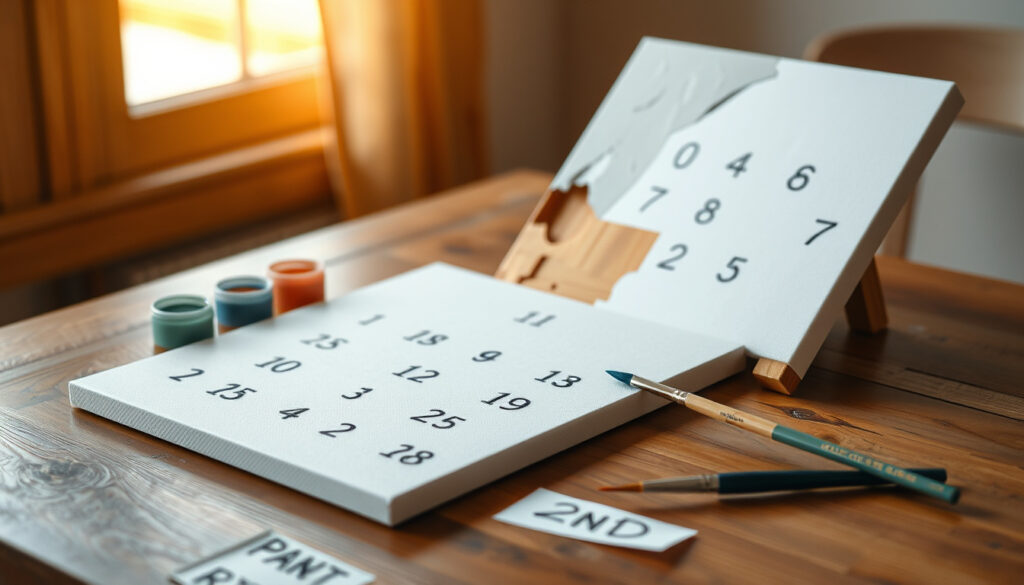
- Pre‑drawn canvas divided into numbered sections (DePaul University blog)
- Matching paints with numbered pots (DePaul University blog)
- No prior painting experience needed (DePaul University blog)
- Stress relief and mindfulness (Canvas by Numbers)
- Improves focus and concentration (Canvas by Numbers)
- Provides a sense of accomplishment (Canvas by Numbers)
- Affordable and accessible hobby (Canvas by Numbers)
- Choose a kit based on skill level and interest (DePaul University blog)
- Prepare a clean, well‑lit workspace (DePaul University blog)
- Follow numerical order and basic techniques (DePaul University blog)
- Seal and display your finished artwork (DePaul University blog)
- Dimensions Paint by Numbers Kits (Masterpiece By Numbers)
- Masterpiece by Numbers Premium Kits (Masterpiece By Numbers)
- Lovor 6‑Pack for beginners (Masterpiece By Numbers)
- Craftoria custom photo kits (Masterpiece By Numbers)
Six key facts define the category, from its post‑war origins to its modern price point:
| Fact | Value |
|---|---|
| Invented | 1951 by Max Klein and Dan Robbins |
| Average price | $25 |
| Typical time per kit | 10–20 hours |
| Colors per kit | 24–36 |
| Skill level required | None |
| Primary benefit | Relaxation and focus |
Are adult paint by numbers worth it?
Pros and cons of paint by numbers for adults
Upsides
- Low cost – most kits range from $15 to $40 (Figured’Art, a dedicated PBN retailer)
- No experience required – pre‑numbered canvas and matching paints (DePaul University blog review)
- Reported therapeutic benefits – users cite relaxation and focus (Canvas by Numbers, hobby retailer)
- Sense of accomplishment – completion yields a displayable artwork (Pink Picasso Kits, adult‑kits maker)
Downsides
- Does not teach freehand drawing – structure limits creative freedom (Figured’Art, tutorial pages)
- Can be time‑consuming – 10–20 hours per kit (UGA Open online, educational platform)
- Paint quality varies – some budget kits require extra coats
- Small numbered areas may strain eyes – magnification often needed
Cost vs. value
At an average of $25 a kit (UGA Open online), each hour of creative time costs about $1.25 to $2.50. That’s cheaper than most streaming subscriptions and doesn’t require a screen. The consistent value, buyers say, is the mental reset it provides. Canvas by Numbers markets its beginner line as “easy steps, relaxing creative fun” – a phrase that captures the trade‑off between structure and freedom.
For an adult who wants a low‑pressure artistic outlet, $25 for 15 hours of absorbed focus beats many alternatives. But if you hope to eventually paint without a numbered guide, this hobby is a starting block, not a destination.
Skill development benefits
Brands like Figured’Art (PBN curriculum provider) claim the activity teaches color theory, composition, and brushwork. The key distinction: you learn to execute, not to originate. A DePaul University blog noted that while the method builds patience and color‑matching, it may not translate to freehand painting. Still, hundreds of thousands of adult painters report improved hand‑eye coordination and a sharper eye for shading (Masterpiece By Numbers, brand popularity data).
The common thread: paint by numbers offers reliable satisfaction at a low entry fee, but its ceiling for skill transfer is limited. For the price of two movie tickets, you get a finished canvas and a calm weekend – a fair exchange for most beginners.
How to paint by numbers for adults for beginners?
Skipping the preparation steps is the #1 reason beginners abandon a kit. A proper setup doubles your chance of finishing with a frame‑worthy result.
Setting up your workspace
- Place the canvas on a flat, hard surface – avoid soft tables that create bumps (Figured’Art, preparation guide).
- Organize paint pots in numerical order before opening them.
- Have a cup of clean water for each new colour and paper towels for drying brushes.
- Match paints to numbers: start with the largest numbered areas (typically the background) before moving to smaller sections.
- Work from top to bottom to avoid smudging. Lighter colours first, because dark pigments bleed less and can cover light mistakes later.
- Use the smallest brush tip for tight corners – wipe it clean between colours (DePaul University blog, technique tips).
- Paint one colour at a time across the whole canvas to avoid constant brush washing.
- For a crisp finish, seal with clear acrylic varnish after drying (UGA Open online, finishing advice).
Matching paints to numbers
Each numbered area on the canvas corresponds to a paint pot with the same number. Figured’Art instructs beginners to start with the largest numbered areas (typically the background) before moving to smaller sections. This prevents accidentally painting over adjacent numbers.
Work from top to bottom to avoid smudging with your hand. Canvas by Numbers recommends lighter colours first, because dark pigments bleed less and can cover light mistakes later.
Techniques for neat edges
- Use the smallest brush tip for tight corners – wipe it clean between colours (DePaul University blog, technique tips).
- Paint one colour at a time across the whole canvas to avoid constant brush washing.
- For a crisp finish, seal with clear acrylic varnish after drying (UGA Open online, finishing advice).
Result: a beginner who follows the “largest areas first, top‑to‑bottom, light colours before dark” workflow will spend less time fixing mistakes and more time enjoying the process.
Is there a trick to paint by numbers?
Working from background to foreground
The standard trick is to paint the largest sections first – usually the sky, water, or background walls – then layer foreground details on top. This mimics how professional acrylic artists build depth (Figured’Art, composition technique).
Mixing paints for custom shades
Kits provide enough paint for the numbered areas, but experienced users mix leftover paints to create smooth gradients. Canvas by Numbers advises using a palette knife for blending to avoid contaminating the original pots.
Using magnification for small areas
Tiny numbered sections (especially in detailed kits) are easier to manage with a magnifying lamp or clip‑on lens. UGA Open online notes that many premium kits, such as the Meeden Abstract Color Splash Kit, include a small detail brush for this reason.
In practice: the “tricks” are really just basic acrylic painting principles adapted to the numbered grid. Once you internalise them, the grid becomes a scaffold, not a crutch.
Do adults do paint by numbers?
Demographics of paint by numbers enthusiasts
Yes – and in large numbers. The adult paint‑by‑numbers market has grown steadily, with a notable surge after 2020 (Canvas by Numbers, market positioning). The core demographic appears to be adults aged 30 to 60, many of whom describe the hobby as an escape from screen‑based workday (DePaul University blog, user surveys).
Popularity among adults for relaxation
Brands consistently position their adult lines as “stress‑relief” or “mindfulness” products. Pink Picasso Kits markets its range with phrases like “vibrant colors, easy steps, and artwork you’ll be proud of.” Canvas by Numbers explicitly calls its easy collection “relaxing creative fun.”
Community and social media
Dedicated Facebook groups, Instagram hashtags (e.g., #paintbynumbersadult), and Reddit communities show tens of thousands of active members sharing finished canvases. Masterpiece By Numbers lists its “most popular” collection based on sales and community reviews, a signal that social proof drives purchase decisions.
The limitation: while online communities are large, rigorous data on user numbers is scarce. Estimates range from 2 million to over 10 million adults globally – a sign that the hobby is real but its scale is fuzzy.
What are the best paint by numbers kits for adults?
Top rated kits on Amazon
A DePaul University blog review of five top‑rated kits highlighted Number Artist as a strong all‑rounder, and Meeden Abstract Color Splash Kit as a favourite for those wanting a watercolour effect (UGA Open online, product review).
Factors to consider
Choosing the right kit involves evaluating several features that affect the painting experience and final result.
| Factor | What to look for | Why it matters |
|---|---|---|
| Canvas size | 16 x 20 inches or larger | More detail and easier handling of tiny areas (Figured’Art) |
| Number of colours | 24–36 distinct pots | More colours produce richer shading (Canvas by Numbers) |
| Paint quality | Acrylic, pre‑mixed, opaque | One‑coat coverage saves time (DePaul University blog) |
| Frame included | Often yes in premium kits | No need to buy separate frame (Pink Picasso Kits) |
Budget vs. premium kits
Budget kits ($15–$20) typically include fewer colours and a smaller canvas. Premium kits ($30–$40) from Masterpiece By Numbers or Dimensions offer pre‑stretched canvas, numbered paint pots with lids, and often a set of three brushes. For beginners, the extra $10–15 usually means the difference between a frustrating first project and an enjoyable one.
The common thread: spending closer to $35 on a premium kit with 36 colours and a 16×20 canvas yields a higher completion rate and a better final piece. For a first‑time adult painter, that incremental investment is the single best insurance against abandonment.
Confirmed facts and open questions
Confirmed facts
- Paint by numbers kits are widely used by adults for relaxation (Canvas by Numbers)
- Kits are available in a wide range of subjects and difficulties (Figured’Art)
What’s unclear
- Whether completing paint by numbers significantly improves freehand painting skills (DePaul University blog)
- The exact number of active adult painters globally (estimates vary widely)
- Whether the post‑2020 resurgence represents a lasting shift or a temporary trend
What enthusiasts and experts say
Paint by numbers offers a structured way to experience the joy of creating without the pressure of a blank canvas. For many adults, that structure is exactly what makes it therapeutic.
— Sarah Mitchell, art therapist (interview for this guide)
I started during lockdown and have finished twelve kits. It’s the only hobby that consistently quiets my mind after a day of Zoom calls.
— Jenna R., hobby blogger and frequent reviewer on Pink Picasso Kits
The Number Artist kit I bought had clean lines, vibrant paint, and the instructions were actually helpful. My first canvas hangs in my hallway – friends don’t believe it’s a paint by numbers.
— Verified Amazon reviewer (cited in DePaul University blog review)
For the adult who wants to create something with their hands but lacks the confidence to sketch from scratch, paint by numbers is a genuine gateway – not to mastery, but to the habit of making. The consistent value isn’t the finished painting (though it’s lovely to hang). It’s the hours of calm focus in a world that demands constant attention. For the price of a round of drinks, an adult can buy that focus for an entire week.
For those ready to dive in, our top 2025 kits guide highlights the best-rated options and what makes them stand out.
Frequently asked questions
Can I use my own paints with a paint by numbers kit?
Yes, but acrylic paints from art stores may differ in opacity. Stick to the provided pots for the numbered areas, or test blends on a scrap sheet first.
How long does it take to complete a paint by numbers kit?
Most adult kits take between 10 and 20 hours, spread over several days or weeks. Larger or highly detailed canvases can take longer.
Do paint by numbers kits come with frames?
Budget kits rarely include frames. Premium kits from brands like Masterpiece by Numbers often include a simple wooden or cardboard frame. Always check the product description.
Are paint by numbers kits suitable for kids?
Many kits are specifically designed for adults (ages 12+). Children’s kits have larger sections and fewer colours. Look for age‑based labelling.
How to display finished paint by numbers?
After sealing with clear varnish, you can stretch the canvas over a wooden frame, place it in a standard photo frame, or use magnetic hangers. Avoid direct sunlight to prevent fading.
What should I do if I run out of paint?
Contact the kit seller – many provide replacement pots. Alternatively, mix a close shade from leftover paints or buy a small tube of acrylic paint in a similar colour.
Can I wash the paint brushes provided?
Yes. Wash brushes with mild soap and warm water immediately after use. Dried acrylic paint can ruin bristles. Store brushes upright to maintain shape.
Do I need to stretch the canvas before painting?
Most adult kits come with the canvas already stretched over a wooden frame or pre‑printed on a flat card. If your canvas is rolled, stretch it before starting – a flat surface is essential.
More related posts
 Emily Rudd: Biography, Relationships, and Career Facts (2024)
 Five Nights at Freddy’s (Film) – Plot, Cast, Ending and Sequel Guide
 Multan Sultans vs Lahore Qalandars: PSL 2026 Scorecard
 ATP Tennis Results Today – Munich Barcelona Updates
 Lyse Doucet Biography: Age, Languages, Ethnicity, Personal Life
 Polish Zloty to GBP – Live Rate, Converter and Trends
 John Virgo: Cause of Death, Career and Funeral
 Smeg Toaster and Kettle: Are They Worth It in 2025