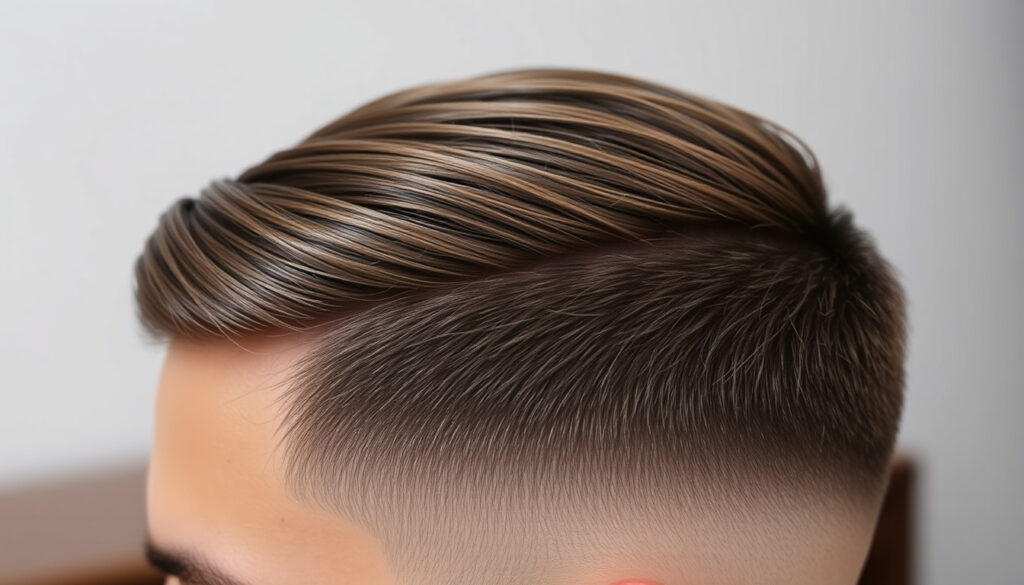
Low Taper Fade Straight Hair: Styles, Tips & Comparisons
If you’ve been eyeing the low taper fade but hesitating because your hair is stick-straight, here’s the good news: straight hair happens to be one of the easiest textures for this cut. The clean, uniform texture lets barbers execute those gradual transitions with precision, and the result looks intentional rather than patchy. This guide breaks down exactly how low taper fades work on straight hair, compares them to other options, and gives you the styling know-how to make it last.
Pinterest ideas for taper straight hair: Multiple boards · Top low taper haircuts listed: 40 (forteseries.com) · Straight hair low taper searches: 938 (Pinterest) · Low taper position: Near ears and neck
Quick snapshot
- Low taper fade starts just above the ear (Highland Style)
- Lasts 2–3 weeks with proper upkeep (Highland Style)
- Straight hair is the easiest texture for clean fade work (Shaving Grace AZ)
- Exact attractiveness rankings across demographics
- Regional pricing data for low taper fades
- Official barber association definitions
- Low taper fade trending as cleanest versatile men’s cut through 2020s (Highland Style)
- 36 trending taper fades documented in recent years (Forte Series)
- Low taper remains office-appropriate choice
- Paired with textured crops gaining popularity
- Asian and thick-hair adaptations expanding
| Attribute | Value |
|---|---|
| Taper starts | Low near ears |
| Ideal hair type | Straight with volume |
| Style focus | Gradual transition |
| Pinterest popularity | 938+ searches |
| Maintenance | 2–3 weeks |
| Contrast level | Low, professional |
Is a low taper fade good for straight hair?
Yes — and here’s why barbers actually prefer it. Straight hair’s uniform texture means the clipper work shows clean, even transitions rather than patchy spots you’d get with coarser curls. According to Shaving Grace AZ, straight hair is “often the easiest type to work with for a low fade” because the barber can blend with precision.
Benefits for straight hair texture
The low taper fade works particularly well because straight hair holds its shape throughout the day. The gradual blend starting just above the ear means subtle volume near the face without the harsh line you’d get from a skin fade. Highland Style notes this cut is “professional, subtle, and low-contrast, best for office settings.”
Face shape compatibility adds to the appeal. The Forte Series grooming guide identifies oval, square, and heart face shapes as ideal matches for a low taper paired with a straight textured top. The cut enhances natural head shape without fighting your bone structure.
Common straight hair challenges
Straight hair’s main drawback is its tendency to look flat, especially with shorter cuts. The low taper solves this by keeping more length on the sides while the top retains volume. A Forte Series styling guide recommends blow-drying upward, then applying texture clay for a tousled finish that fights that flat look.
Straight hair eliminates the blending headaches that make low fades risky on curly textures. For men who want a clean, office-appropriate cut that grows out gracefully, straight hair plus low taper is a forgiving combination.
Fade vs Taper Fade Haircut: Which one suits you better?
The distinction matters more than most guys realize. Salt Grooming puts it plainly: “Tapers are more clean-cut, fades are trendier.” That single sentence captures the core trade-off between these two styles.
Key differences in blending
A taper uses scissors or clippers to gradually reduce length around the sideburns and neckline, maintaining more hair overall. A fade, by contrast, cuts closer to the skin with sharper, more abrupt length changes. StyleSeat clarifies that fades expose more skin while tapers stay evenly cut and longer on top and sides.
For straight hair specifically, this matters because the texture shows off those transitions. A fade’s dramatic contrast works well if you’re going bold; a taper’s polish works better for conservative professional settings.
Best for straight hair
Mr Winstons explains that tapers “maintain more length on sides for understated look versus dramatic fade transitions.” If your straight hair has natural body, a taper lets you keep that flow while still getting a clean frame around the face.
For guys in traditional workplaces, the taper’s polished vibe wins. For those who want visible style statement, the fade’s edge works better. Straight hair handles both equally well — the choice comes down to how much contrast you want.
What’s better, low or mid taper?
Both are valid, but they create different effects. Highland Style breaks down the three levels: low starts above the ear, mid begins halfway up the head, and high starts near the temples. Each creates progressively more dramatic contrast.
Low taper advantages
The low taper keeps things subtle near the ears and neckline — exactly where coworkers and clients notice most. Shaving Grace AZ describes it as beginning “just above ears, curving to neckline for subtle professional finish.” If you work in a conservative environment or prefer not drawing attention to your haircut, this is the safer choice.
Low taper also ages better — literally. The cut looks professional at 25 and appropriate at 45 without looking dated or trying too hard.
Mid taper for more contrast
Mid taper starts higher, which means more of your head shape becomes visible through the hair. This works well for straight hair men who want the Forte Series effect: “bold modern definition based on face shape.” The extra contrast adds visual interest if your straight hair tends to look flat or if you have a strong jawline you want to highlight.
The catch: mid taper requires more frequent maintenance. Highland Style notes that higher fades often need weekly touch-ups, whereas low taper can stretch 2–3 weeks between salon visits.
Which fade is most attractive?
There’s no universally correct answer, but patterns emerge from barber recommendations and styling guides. The Highland Style crew calls the low taper fade “the cleanest, most versatile modern men’s haircut for any occasion.” That versatility contributes heavily to its appeal — it works in more contexts than high-contrast alternatives.
Attractiveness for straight hair
For straight hair specifically, the low taper’s gradual transition enhances the natural fall of straight strands without fighting them. Swanky Malone notes that low taper fade “enhances head shape with curved drop behind ears” — a detail that reads as intentional on straight hair but would get lost on curlier textures.
The clean texture also means your styling products work more predictably. You’re not fighting frizz or unpredictable curl patterns — just working with hair that holds its shape.
Taper fade appeal
Kingsman Grooming Studio describes the fundamental appeal: “A taper is subtle, classy, and low-maintenance. A fade is bold, modern, and attention-grabbing.” Both are attractive — the question is what kind of attention you want.
For professional settings where first impressions matter, the taper fade’s understated polish reads as confident rather than showy. For creative industries or social situations, the bolder fade might serve you better.
Attractiveness rankings vary by region, industry, and age group. What reads as “clean and professional” in a corporate office might seem too conservative at a creative agency. Match your fade choice to your environment, not just a generic ranking.
What is the 3:2:1 rule for haircuts?
The 3:2:1 rule is a proportionality guide that helps barbers balance length across the head. It translates directly to low taper fades on straight hair, giving you a framework for communicating with your barber about exactly what you want.
Application to low taper
The rule typically divides the head into three zones: top (3 inches of length), middle section (2 inches), and bottom/sides (1 inch, where the taper kicks in). For a low taper fade on straight hair, this means the top keeps substantial length for styling versatility, the mid section provides transition space, and the bottom gets the clipper work that creates the taper effect.
Shaving Grace AZ demonstrates proper technique: comb top hair from crown to recession for clean cuts. This directional approach ensures the natural fall of straight hair works with the cut rather than against it.
Proportions for straight hair
Straight hair’s even texture means you can play with these proportions more precisely than on wavy or curly hair. The Forte Series notes that taper fades pair well with “short textured or full volume” top styles — both work within the 3:2:1 framework depending on your preference.
If you want more volume on top, keep the 3-inch zone longer. If you prefer a cleaner, shorter look, scale all three zones down proportionally. The 3:2:1 rule isn’t rigid — it’s a communication tool for getting the exact proportions you want.
More top length means more styling time but greater versatility. Less top length means lower maintenance but fewer options for changing your look day-to-day. Straight hair gives you the luxury of either extreme — decide based on how much morning routine you can tolerate.
Three distinct styles, three different vibe profiles. Low taper and mid taper share the gradual blending approach but diverge sharply in where that blend starts and how much visual contrast it creates.
| Attribute | Low Taper | Mid Taper | Traditional Fade |
|---|---|---|---|
| Starting position | Above the ear | Halfway up head | Varies — low, mid, or high |
| Contrast level | Subtle, professional | Moderate, modern | Sharp, bold |
| Maintenance interval | 2–3 weeks | 2–3 weeks | Weekly recommended |
| Best for straight hair | Conservative settings, minimal upkeep | Face shape enhancement, style statement | Bold looks, creative environments |
| Top pairing options | Short textured or full volume | Textured crop, slick back | Skin fades, pompadours |
| Versatility | Highest | High | Moderate |
The key takeaway: low taper prioritizes longevity and polish, mid taper adds visual interest at the cost of slightly higher maintenance, and traditional fades push the contrast dial as far as you want to go.
Upsides
- Low maintenance — 2–3 weeks between cuts
- Professional and office-appropriate
- Works with straight hair’s natural fall
- Versatile styling options on top
- Subtle enough for conservative environments
- Clean, polished aesthetic
Downsides
- Less dramatic than high fades
- May read as “safe” in creative industries
- Requires precision barber work for best results
- Not ideal for men with very thin or receding hairlines
- Growing out phase can look uneven
- Limited contrast for certain face shapes
How to get and maintain a low taper fade on straight hair
Getting the cut right starts with finding a barber who understands the subtlety of a low taper. This isn’t a fade you can phone in — the gradual transition requires precision clippers and careful blending technique.
At the barbershop
- Request the low taper specifically — mention starting above the ear with gradual blending toward the neckline
- Bring reference photos showing the exact length and contrast level you want
- Confirm the top length you want before clippers touch the sides
- Ask for a skin test on a small section if you’re unsure about how short to go
Styling products for straight hair
- Texture clay or molding paste for tousled volume
- Argan oil for moisture if hair tends to dry
- Texture spray for lift at the roots
- Avoid harsh shampoos that strip natural oils — Highland Style warns this prevents scalp oil overproduction
Blow-drying technique
- Blow-dry hair upward from roots while still damp
- If hair has texture, use a diffuser attachment
- Apply product while hair is still warm
- Shape the top section as desired — slick back, textured fringe, or natural fall
The gradual transition of a low taper fade demands consistent maintenance at home. Swanky Malone advises that “taper fade maintenance involves regular trims to keep edges sharp.” Schedule touch-ups every 2–3 weeks to maintain that clean professional look.
Confirmed facts
- Low taper is gradual fade near ears
- Straight hair easiest for low fade work
- Taper clean-cut polished, fade edgy modern
- Low taper suits oval, square, heart face shapes
What’s unclear
- Exact attractiveness rankings
- Regional pricing data
- Official industry definitions
- User preference survey data
The low taper fade is the cleanest, most versatile modern men’s haircut. Period.
— Highland Style (Grooming Blog)
Straight hair is often the easiest type to work with for a low fade.
— Shaving Grace AZ (Barber Guide)
A taper is subtle, classy, and low-maintenance. A fade is bold, modern, and attention-grabbing.
— Kingsman Grooming Studio (Grooming Studio)
For men with straight hair, the low taper fade isn’t just a safe choice — it’s actually the optimal choice. The texture supports those gradual transitions with precision, the style reads as confident and polished in professional settings, and the 2–3 week maintenance cycle respects your calendar. The trade-off is visual drama: if you want eyes on your haircut, you’ll need to push toward mid or high fade territory. But for everyday versatility that grows out gracefully, low taper on straight hair delivers more than it compromises.
Related reading: Semi-Permanent Hair Color Guide
Straight hair pairs exceptionally well with the low taper fade’s subtle gradient, embodying the controlled precision that characterizes low taper fade refinements in men’s grooming trends.
Frequently asked questions
What is a low taper fade?
A low taper fade starts just above the ear with a gradual clipper blend that shortens the hair toward the neckline. Unlike skin fades, it doesn’t expose bare scalp — instead, it creates subtle, professional-looking transition between lengths.
How to maintain low taper fade on straight hair?
Maintain it with regular trims every 2–3 weeks, daily styling with texture clay or paste, and avoiding harsh shampoos that can disrupt scalp oil balance. Blow-dry hair upward while damp, then shape as desired.
Is low taper fade good for thick straight hair?
Yes. Thick straight hair holds the cut’s shape well and the added weight creates natural movement. The taper manages bulk around the ears and neckline while keeping volume on top where it looks best.
What products for low taper straight hair?
Texture clay or molding paste work best for tousled finishes. Argan oil adds moisture for dryer hair types. Texture spray provides root lift. Avoid heavy gels that flatten straight hair’s natural movement.
How often to get low taper fade haircut?
Every 2–3 weeks for best results. Low taper grows out more gracefully than higher fades, so you can stretch to 4 weeks if needed, though the edges will start losing their sharpness.
Low taper fade for beginners?
Low taper is ideal for first-time fade clients because the subtle contrast hides uneven regrowth. Start with a conservative low taper, then decide if you want more contrast with future cuts.
Differences in low taper for kids?
Kids’ low tapers use gentler blending and typically keep more length overall. The principles are the same — gradual transition starting above the ear — but the execution is softer and lower maintenance.
More related posts
 Weather in My Location: Official Irish Forecasts
 Peter Dinklage: Net Worth, Diagnosis, Family & Career
 Ray Bans Ireland: Prices, Airport Deals, and Money-Saving Tips
 Sonic Boom East England: Why Loud Booms Shook Houses in 2025
 Scott Caan: biography, net worth, inheritance, career
 Caitríona Balfe: Biography, Age, Height, Movies & Personal Life
 Reap What You Sow – Bible Origin and Real-Life Meaning
 Chris Robinson: Biography, Net Worth, and Kate Hudson Marriage