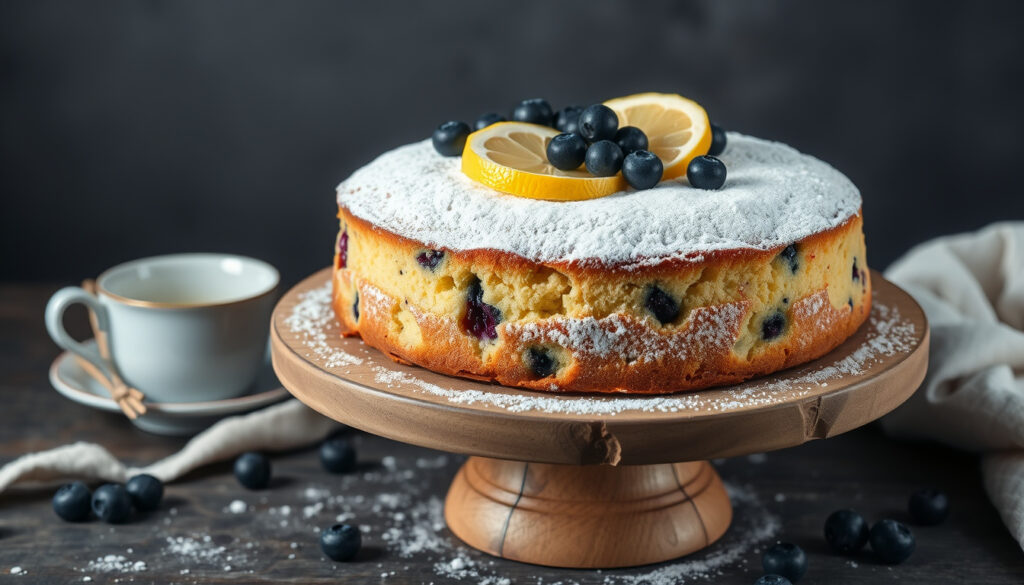
Lemon and Blueberry Cake: Best Recipes & Tips for a Moist, Flavorful Cake
There’s a reason lemon and blueberry cake earns a second slice — it’s bright, fruity, and just sweet enough without being cloying. Whether you’re after a classic loaf for tea time or a layer cake for a celebration, the secret is in the details: how you handle the berries, the fat, and the mixing method.
Prep time (active): 20 minutes ·
Bake time: 45–50 minutes ·
Servings: 8–10 slices ·
Difficulty: Easy to moderate ·
Calories per slice (approx.): 350–400 kcal
Quick snapshot
- Ottolenghi’s lemon and blueberry cake uses both all-purpose and almond flour for a tender crumb (The Happy Foodie recipe publisher)
- Baking in two 15-minute uncovered stages before covering with foil prevents over-browning (David Lebovitz Newsletter cookbook author)
- Tossing blueberries in flour before folding reduces sinking when baking (Chewing the Fat food blog)
- The precise effect of substituting buttermilk for yogurt on crumb tenderness isn’t backed by controlled tests.
- Whether cream cheese frosting or lemon buttercream is better for layer cakes comes down to personal taste, not data.
- Total bake time: 55–65 minutes (15 min uncovered → 15 min uncovered → 25–35 min covered) per The Happy Foodie.
- Cool in pan 10 minutes, then turn out onto a wire rack and glaze while warm. (David Lebovitz Newsletter)
- Let cake rest overnight for deeper lemon-blueberry flavor (David Lebovitz Newsletter).
| Label | Value |
|---|---|
| Most searched chef variation | Mary Berry lemon and blueberry cake |
| Easiest recipe to start with | Simple lemon and blueberry loaf (no stand mixer needed) |
| Moistest texture | Recipes with yogurt or oil – The Happy Foodie moisture tip |
| Best for special occasions | Layer cakes (e.g., three-tier lemon blueberry cake) |
Four approaches, one standard: a moist, tender crumb. Here’s how the recipes from trusted chefs stack up.
What are the best lemon and blueberry cake recipes from famous chefs?
Four widely-loved recipes stand out for their distinct approaches to fat, mixing, and texture. Here’s how they compare.
Mary Berry’s classic lemon drizzle with blueberries
- Method: Creamed butter and sugar, then alternating flour and eggs.
- Fat: All butter for a rich, dense crumb.
- Flavor: Bright lemon drizzle (lemon juice + icing sugar) poured over warm cake.
- Blueberries: Fresh or frozen; flour coating prevents sinking.
Mary Berry’s version is the gold standard for traditional British bakers. The creaming method creates a sturdy loaf that holds up well to berry moisture, with no yogurt or oil added. The simple glaze locks in a tangy top note.
Mary Berry’s recipe is the default when you want a reliable, no-fuss cake that slices cleanly—perfect for gifting or picnics.
Nigella Lawson’s lemon blueberry yogurt cake
- Method: One-bowl mixing; yogurt provides moisture and acidity.
- Fat: Vegetable oil and Greek yogurt, reducing butter significantly.
- Texture: Exceptionally tender and moist, with a tender crumb that stays fresh for days.
Nigella swaps most of the butter for oil and yogurt, producing a cake that stays soft even on day three. The yogurt tang complements the lemon zest beautifully, and the one-bowl method cuts down on cleanup.
Ottolenghi’s blueberry, almond and lemon polenta cake
- Method: Cream butter, sugar, lemon zest, 1 tbsp lemon juice, and vanilla 3–4 minutes until light; add eggs in small additions; fold in flour, almond flour, and 150 g blueberries (The Happy Foodie Ottolenghi recipe).
- Fat: Butter, but almond flour and polenta add texture and moisture.
- Bake time: 55–65 minutes, with two uncovered 15-minute stages then covered until knife comes out clean (The Happy Foodie).
- Glaze: Remaining lemon juice + icing sugar, whisked smooth (David Lebovitz Newsletter).
This is the most complex of the three, but the combination of almond flour and polenta gives a uniquely coarse, nutty crumb that soaks up the lemon glaze beautifully. The staged baking prevents the top from burning while the inside bakes through.
Good Housekeeping’s lemon blueberry bundt cake
- Method: Simple one-bowl method; butter and oil blend.
- Presentation: Bundt pan with a citrus glaze.
- Texture: Even crumb with a tender surface.
Good Housekeeping’s version is designed for ease and crowd appeal. The bundt shape ensures even baking and makes for a dramatic presentation without layering.
How do you make a simple lemon and blueberry cake from scratch?
Gather standard ingredients
- All-purpose flour, baking powder, salt, unsalted butter or oil, sugar, eggs, lemon zest and juice, vanilla, blueberries (fresh or frozen), and optional yogurt or buttermilk.
Room-temperature ingredients blend more smoothly. For one-bowl recipes, the order matters less; for creamed methods, butter should be soft but not melted.
Cream fat and sugar
- Beat butter, sugar, lemon zest, 1 tbsp lemon juice, and vanilla for 3–4 minutes until light and fluffy (The Happy Foodie).
This step incorporates air that gives the cake lift. If using oil, simply whisk together wet ingredients before adding dry.
Alternate wet and dry ingredients
- Add eggs one at a time (or in small additions) – the mixture may split, but it will come back together (David Lebovitz Newsletter).
- Fold in dry ingredients in two batches, alternating with any liquid (milk, yogurt, buttermilk).
Overmixing develops gluten and toughens the crumb. Stop as soon as the flour disappears.
Fold in blueberries
- Toss blueberries in 1 tablespoon of flour before adding to the batter to prevent sinking (Chewing the Fat food blog).
Use a rubber spatula and fold gently, no more than 10 strokes. Reserve a handful of berries to scatter on top for visual appeal.
Bake and test for doneness
- Bake at 350°F (175°C) if using an American recipe, or 180°C fan for European-style recipes (The Happy Foodie uses 180°C fan).
- Insert a toothpick or knife into the center; it should come out clean or with a few moist crumbs, not wet batter.
Start checking at the 45-minute mark. Rotate the pan halfway through if your oven has hot spots.
What is the key to a moist lemon and blueberry cake?
Use oil or yogurt for extra moisture
- Recipes that replace some or all butter with oil yield a cake that stays moist longer because oil remains liquid at room temperature.
- Yogurt adds acidity, which tenderizes gluten and keeps the crumb soft (The Happy Foodie yogurt moisture tip).
A 50/50 butter-oil blend offers the best of both: butter flavor plus oil’s moisture retention.
Do not overbake
- Remove the cake at the first sign of doneness – overbaking dries out even the richest batter.
Set a timer for the minimum recommended time and check with a toothpick. If the toothpick comes out clean, it’s done.
Add a simple syrup or lemon glaze
- Brushing the warm cake with a lemon syrup (equal parts lemon juice and sugar, warmed) locks in moisture and adds extra tang.
The glaze also keeps the surface from drying while the cake cools.
Store properly after cooling
- Wrap the cooled cake in plastic wrap or store in an airtight container at room temperature for up to three days.
- Refrigeration accelerates staling; freeze instead for longer storage.
The implication: The two biggest levers for moisture are fat type and baking time. Use yogurt or oil, pull the cake at the right moment, and seal in moisture with a syrup or glaze. Everything else is secondary.
What tips and tricks can fix common lemon blueberry cake problems?
Blueberries sinking? Coat them in flour
- Flour-coating creates a barrier that helps berries stay suspended in the batter (Chewing the Fat).
- If using frozen blueberries, add them straight from the freezer – thawing releases juice that turns the batter purple.
Cake sticking to pan? Grease and flour thoroughly
- Use a paper towel to apply a thin layer of softened butter, then dust with flour. Combine with a parchment paper sling for loaf pans.
Batter too thick? Add a splash of milk
- The batter should be thick but droppable – if it looks stiff, add milk 1 tablespoon at a time until it loosens.
Uneven rise? Rotate pan halfway through baking
- After 25 minutes, spin the pan 180 degrees to compensate for oven hot spots.
The catch: Most blueberry cake problems come down to berry preparation and temperature. Take five extra seconds to flour the berries and use room-temperature ingredients, and you’ll avoid 90% of common failures.
How does an old fashioned lemon and blueberry cake differ from modern versions?
Butter vs. oil base
- Old fashioned: all butter, creamed for a dense crumb.
- Modern: oil or a butter-oil blend for a lighter, moister cake.
Sour cream vs. yogurt
- Old fashioned: sour cream for richness and acidity.
- Modern: Greek yogurt for the same tang with less fat.
Pound cake texture vs. light sponge
- Old fashioned: dense, pound-cake style, often with half the fat weight equal to sugar.
- Modern: lighter sponge, aerated with baking powder and sometimes separated eggs.
Lemon glaze vs. powdered sugar dusting
- Old fashioned: a powdered sugar dusting or no topping.
- Modern: a glossy lemon glaze or cream cheese frosting.
The shift from butter-heavy formulas to yogurt or oil-based batters isn’t just about health—it’s about texture. Modern bakers prioritize a delicate crumb that stays fresh longer, while older recipes value richness and structure.
The pattern is clear: the type of fat defines the cake’s personality. Butter gives flavor and density; oil gives moisture and longevity. Choose based on your priority.
For a cake that stays moist for days, use a 50/50 butter-oil blend with yogurt. For a classic dense loaf that slices cleanly for gifts, stick with all-butter creamed method.
Comparison table: popular lemon and blueberry cake variations
Four approaches, one standard: a moist, tender crumb. Here’s how they stack up.
| Aspect | Mary Berry Classic | Nigella Yogurt Cake | Ottolenghi Polenta Cake | Simple Homemade Loaf |
|---|---|---|---|---|
| Key method | Creamed butter | One-bowl | Creamed with staged bake | One-bowl or creamed |
| Fat | All butter | Oil + yogurt | Butter + almond flour | Butter or oil |
| Texture | Dense, fine crumb | Light, tender | Coarse, nutty | Varies |
| Flavor note | Lemon drizzle forward | Tangy from yogurt | Almond & polenta | Customizable |
| Ease | Moderate | Easy | Advanced | Easy |
The pattern: Mary Berry delivers structure, Nigella delivers moisture, and Ottolenghi delivers texture—each serves a different baker’s goal.
Expert quotes and key insights
Don’t worry if the mixture looks curdled after adding the eggs – it’s normal and it will all come back together.
– David Lebovitz Newsletter cookbook author
The cake is ready when a knife inserted into the middle comes out clean.
– The Happy Foodie Ottolenghi recipe
Both David Lebovitz and The Happy Foodie emphasize that careful technique—not complex ingredients—makes the difference between a dry cake and a moist one.
Summary: which lemon and blueberry cake should you bake?
For a baker who wants to impress guests with a unique, nutty crumb, Ottolenghi’s polenta cake is the clear winner—but it’s not a weeknight project. For someone baking for a school bake sale or a quick weekend treat, Nigella’s yogurt cake delivers the most consistent moisture with the least effort. Mary Berry’s classic remains the go-to when you need a sturdy loaf that travels well. For the home baker in the UK looking for a reliable everyday recipe, the choice is straightforward: start with Nigella’s yogurt cake for guaranteed tenderness, then graduate to Ottolenghi’s when you want to explore texture.
For more inspiration, try this lemon and blueberry cake guide from another site that also focuses on achieving a moist, tender crumb.
Frequently asked questions
Can I make lemon blueberry cake ahead of time?
Yes. Bake one day ahead, cool completely, wrap tightly in plastic, and store at room temperature. The flavor deepens overnight. Ice or glaze just before serving.
How should I store leftover lemon blueberry cake?
Wrap in plastic or keep in an airtight container at room temperature for up to three days. Do not refrigerate; it accelerates staling.
Can I freeze lemon blueberry cake?
Yes. Wrap the cooled, unglazed cake in plastic wrap, then foil, and freeze for up to three months. Thaw at room temperature, then add glaze.
What can I substitute for buttermilk in the recipe?
Mix 1 cup milk with 1 tablespoon lemon juice or white vinegar, let stand 5 minutes. Or use plain yogurt thinned with a little milk.
How do I make a lemon blueberry cake dairy-free?
Replace butter with a plant-based margarine or oil, and use almond milk or oat milk with 1 teaspoon lemon juice for buttermilk. Yogurt can be replaced with coconut yogurt.
Is it better to use fresh or frozen blueberries?
Both work. Fresh berries hold their shape better and bleed less color. Frozen berries are fine if added frozen – do not thaw, or the batter may turn purple.
Why did my lemon blueberry cake sink in the middle?
Likely underbaking or opening the oven door too early. Bake until a toothpick comes out clean, and avoid checking before the minimum time. Also ensure your baking powder is fresh.
Can I add nuts to the cake?
Yes. Chopped almonds or pecans work well. Fold in ½ cup along with the blueberries. Reduce blueberries by ¼ cup to keep the batter balanced.
More related posts
 Harry Potter HBO Series – 2026 Premiere Cast Details
 Valentine’s Day Gifts for Him – Best Practical Picks for 2025
 Anushka Sharma: Biography, Age, Husband, and Career Facts
 Met Office Tornado Warning: Current Status and Ireland Risks
 Cast of the Resident – Actors, Characters & Seasons Guide
 How Much Weight Can You Lose in a Week? Realistic Safe Limits
 Steven Spielberg: Disability, Feuds, and Most Successful Film
 Mr. Mercedes Episodes: Complete Guide to All 30 Episodes